The Gods within You

A letter arrives saying that a friend in Canada was killed in an accident. It asks
me to arrange to have some prayers done for Nina.


The monks at Tengboche are busy, but someone suggests the anis (nuns) at Devuche,
the little nunnery twenty minutes’ walk away. Devuche sits in a meadow at the edge
of the rhododendron forest in a quiet, peaceful place.
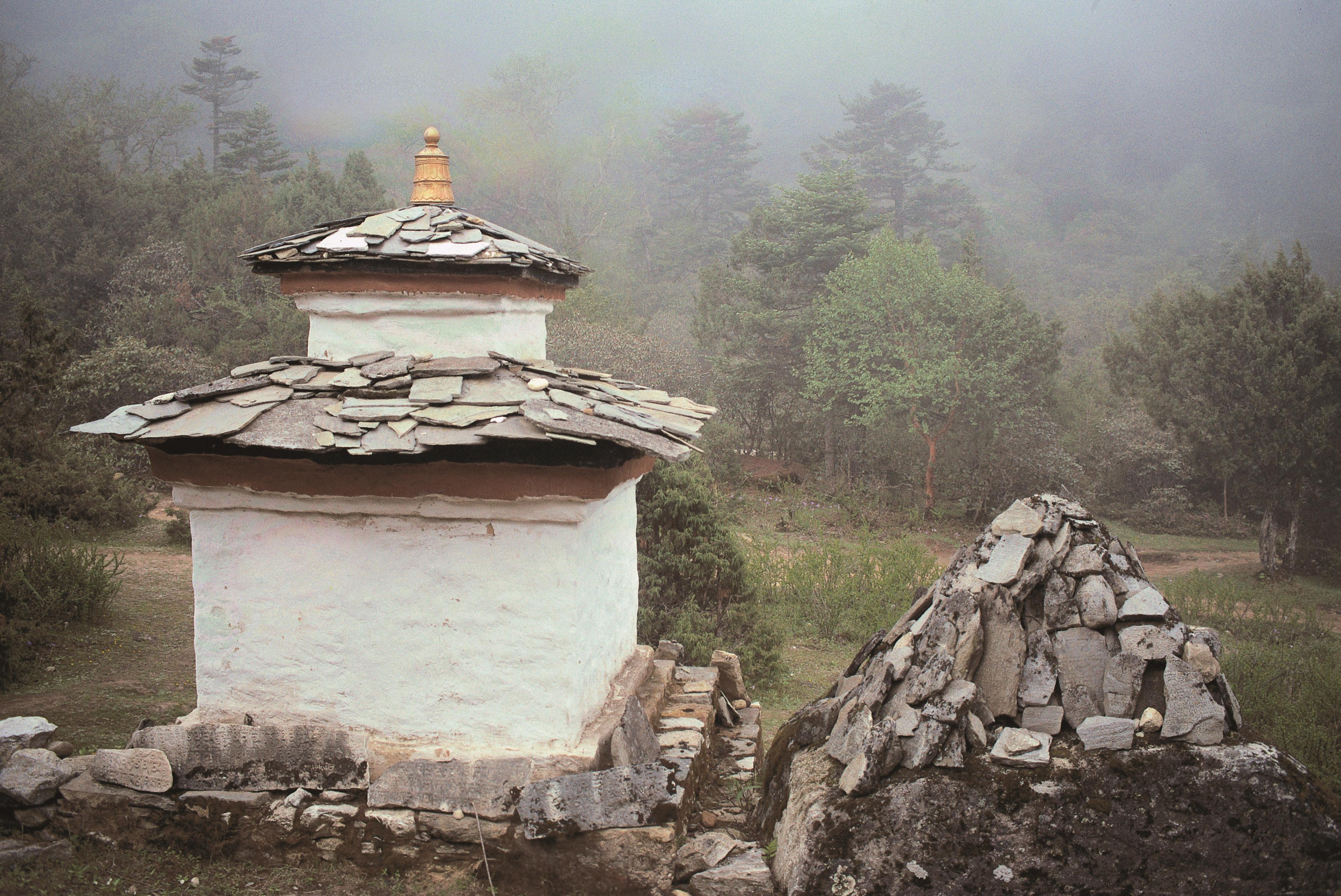
At Devuche, I arrange for the anis to say some prayers the next day. However, in the
morning, only the abbess and one elderly nun are present in the kitchen.


The abbess hands me some of the 50-rupee notes I had given her the day before. “Take
this to the blind ani who can’t come do the puja (prayers) in the gonda but can say
prayers. Take this to the ani in this house right here who is in retreat.”

I knock on the door of the ani in retreat. An elderly person wearing robes and a
traditional winged yellow hat opens the door. I ask, “Would you please say some
prayers for a friend of mine who died 49 days ago?”

She gestures for me to enter. Her small home is clean and tidy. I sit on a wide bench stretching across the end of the room while she prepares tea on the little clay-lined, one-pot burner. She asks the name of my friend who has died. “Ni-na,” she repeats as she notes it down in Tibetan script on an envelope.


“How long have you been in retreat?” I ask.
“Twenty years,” she pauses, “and thirteen years. For this time, I have not left this
little compound.


“I am from Nauche. My family did business in Tibet. When I was eight years old, I
first went to Rongbuk. There I received a blessing from Zatul Rinpoche and took my
first vows to become an ani with Tulshi Rinpoche.

“When I was twenty, I was here in Devuche and had been an ani for several years. A
rich man from Solu wanted another wife after his first passed away. He first sent one
and then two men from Solu to Nauche to ask my mother in Nauche while my father
was in Tibet trading. She sent them away.

“Then, he got several men together — about 11 of them just to come get one woman.
They surrounded my house here in Devuche. I went to bed but could not sleep. Finally,
I escaped out a window late at night and hid in the river gorge.


“They looked in the woods and all the houses. I hid by the river for two days and
on the second night wondered what to do. I had no food, no shoes, just the robe I
grabbed as I crawled out of bed.

“Finally, I worked my way along the river and up through the forest to Tengboche.
Rinpoche could not hide me there, because monastery rules do not allow women to
stay.

“A man who had just come from Tibet a year before agreed to help me. We hid in the day
and travelled at night through Thame and over the pass to Tibet. In those days it took four
days to walk across the Nangpa La (pass) to the first village in Tibet, then ten days to Shigatse and ten more to Lhasa. I stayed there for ten years until I was thirty.


“When the Chinese became really strong in Tibet, I was studying at a nunnery higher
in a valley. Rinpoche and his half-brothers were at a monastery nearby. They came
to see me. We decided it was time to return to Nepal. I came to Devuche and started
my retreat.


“For six weeks after I arrived here in Devuche, we did not know if the Dalai Lama was
alive or dead. Then finally one day I heard that he was in Kalimpong. What a relief.”
As I stand up to leave, I pull another 50-rupee note from my wallet.
“Would you also please do some prayers for the book I’m working on?”

Ani-la holds the bill thoughtfully for a moment before setting it on the windowsill
among her papers.


“People always come and ask me to say prayers for this and for that. So their son
will get into this school or that this business venture will be successful. They do not
understand that when these prayers bring about general good fortune or merit, it
comes from within, from within themselves.”

She hands me a paper and a pen.

“I want you to write down these prayers so you can say them yourself for good things
to happen. Om Ah Hung Betza Guru Padme Siti Hung is to Guru Rinpoche. The next is
Om Mani Padme Hung to Chenresig. Om Ah Mi De Wa Hri to Opagme.”

I obediently write down the mantras as she hovers above me in her winged cap.
“Say 108 of each mantra. Say them every day if you can. As you say them, always
think of going to the place of the gods, but always remember…”

She reaches out and touches my chest. “Always remember that the gods are right
here within you.”

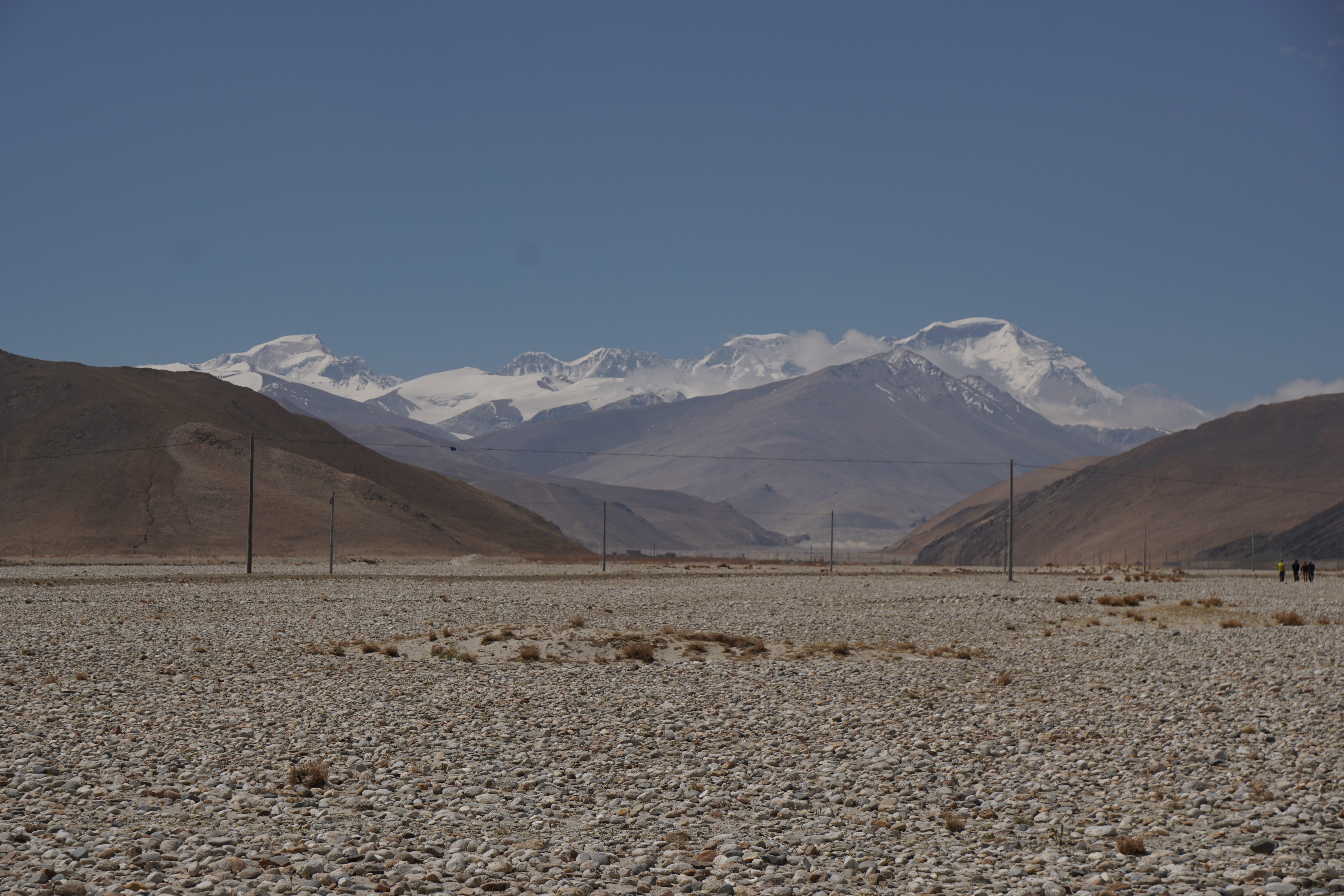
Westward on the plateau

Image

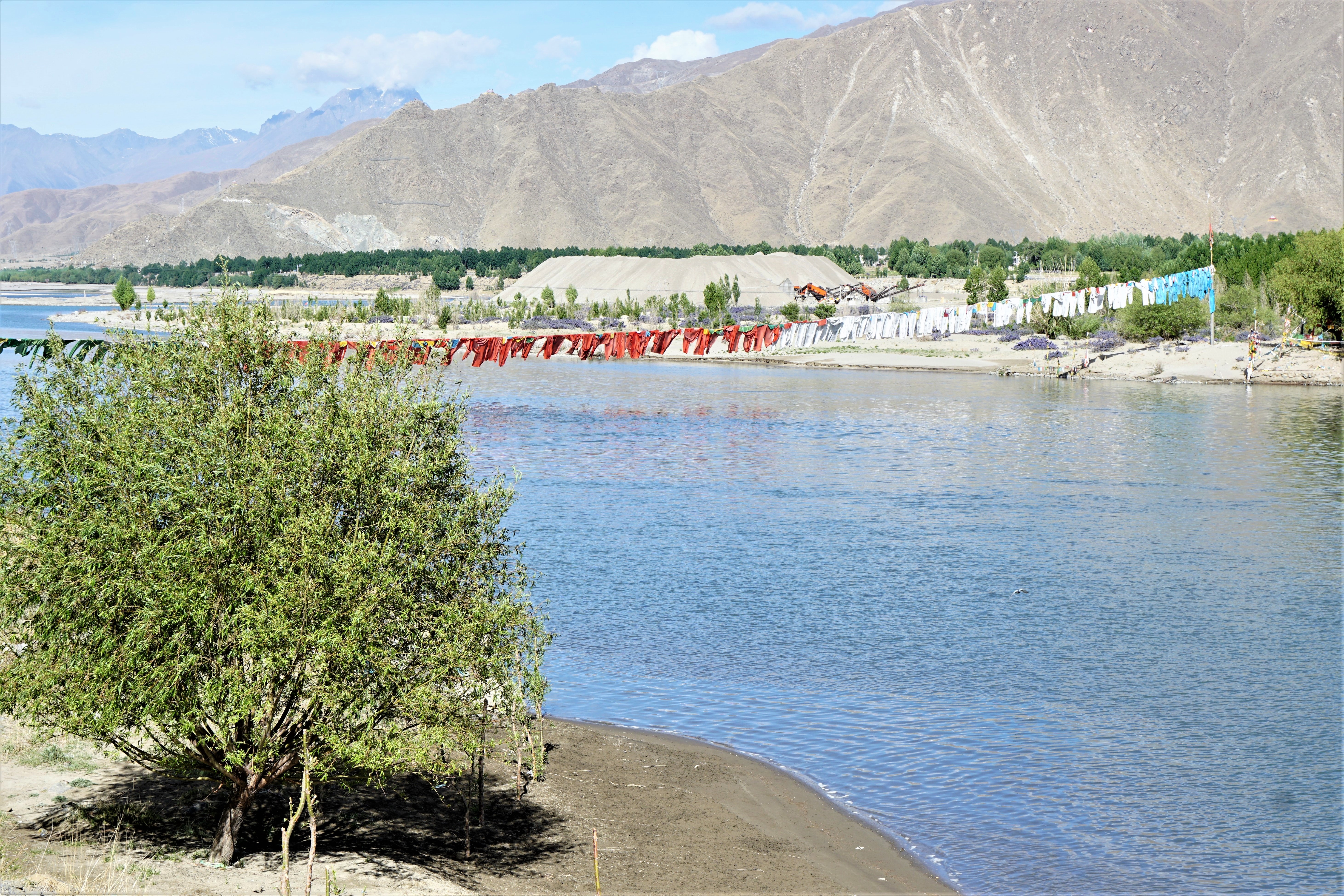
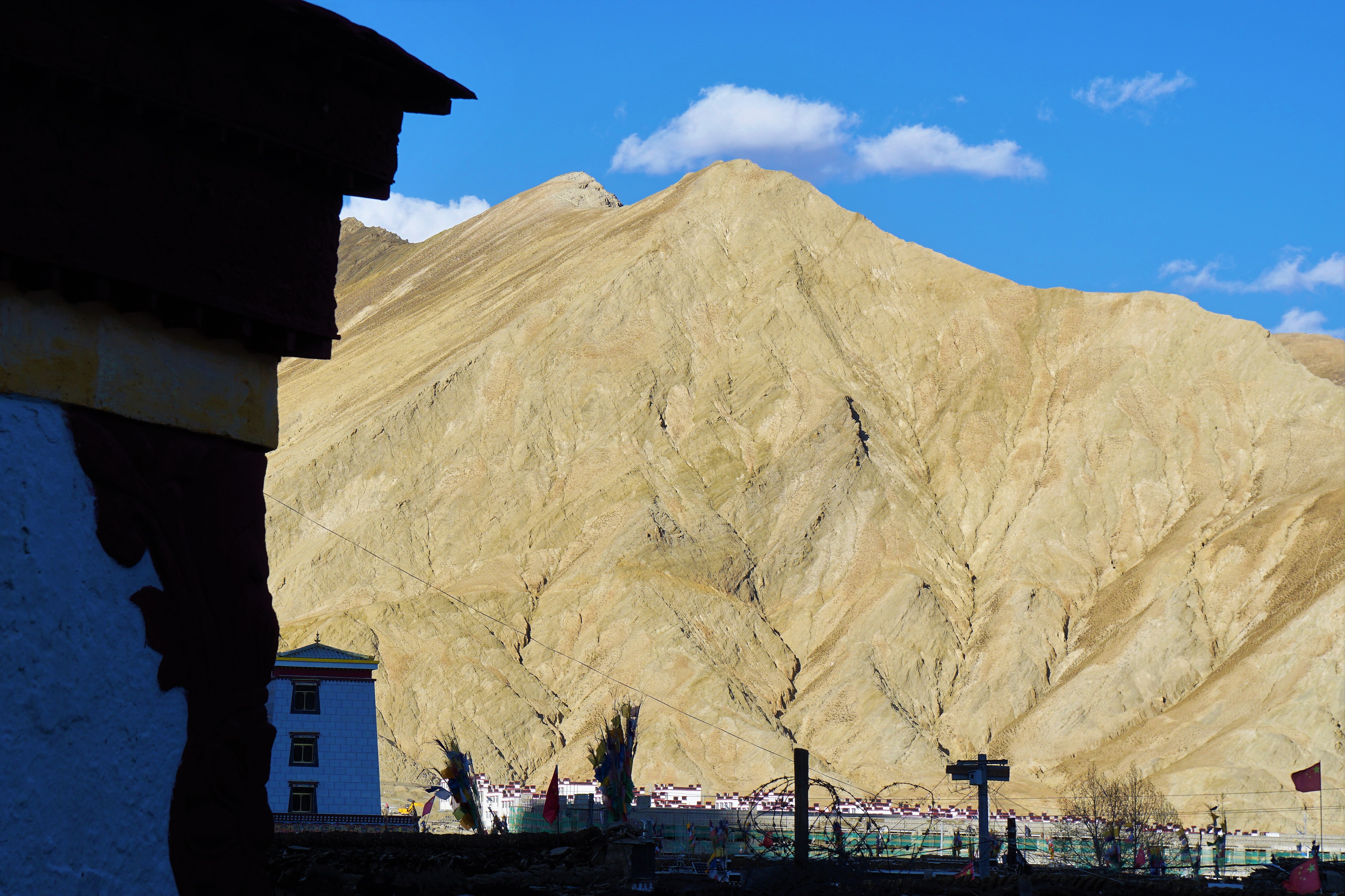
Following the Yarlung Tsangpo river westwardsDSC05996

Yarlung Tsangpo

DSC05995DSC05997DSC05999DSC06005DSC06002DSC01004DSC01006

DSC00998

DSC01011

DSC01009

DSC01013DSC01007

DSC06007DSC06008DSC06006DSC06009

DSC06012

DSC06014

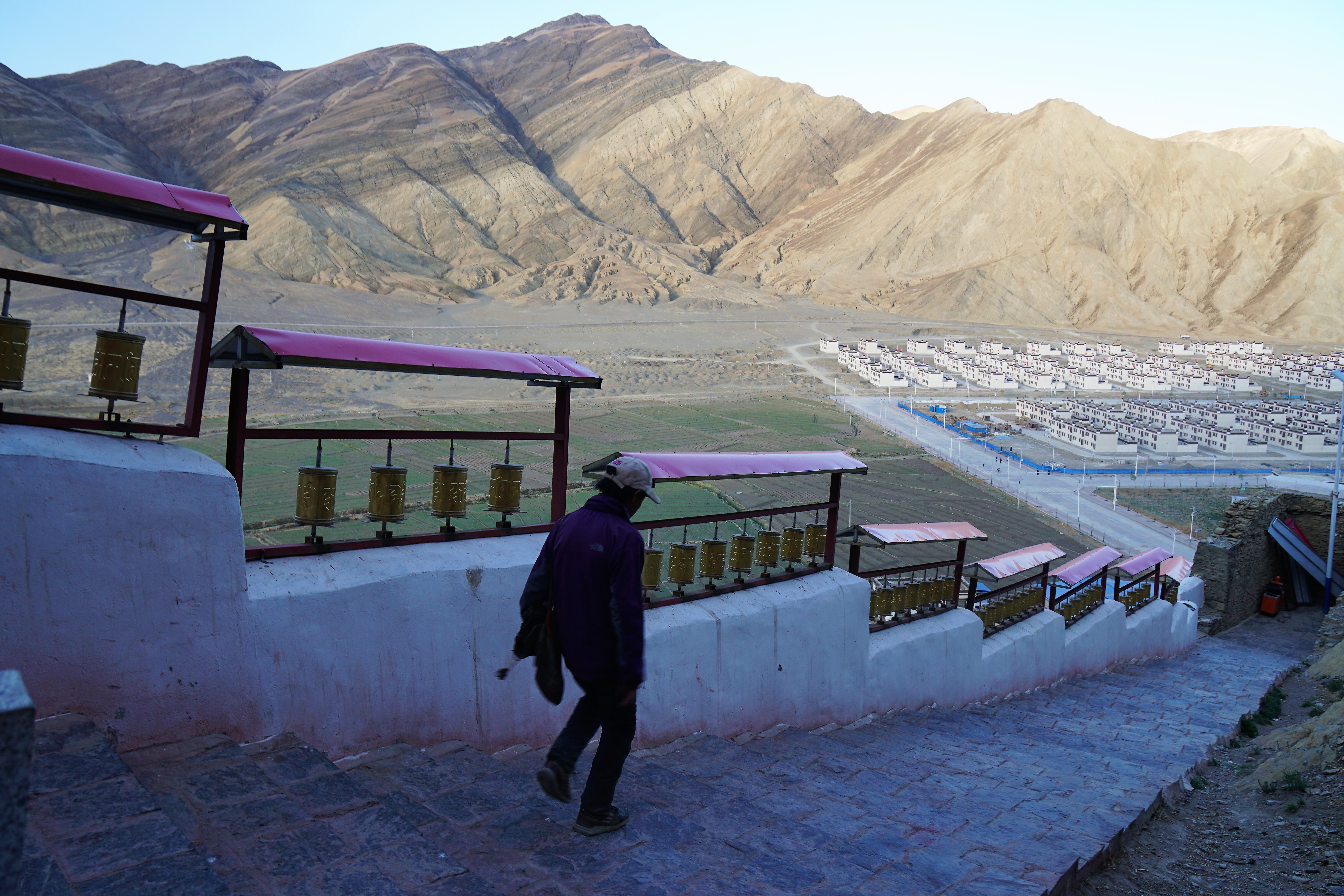
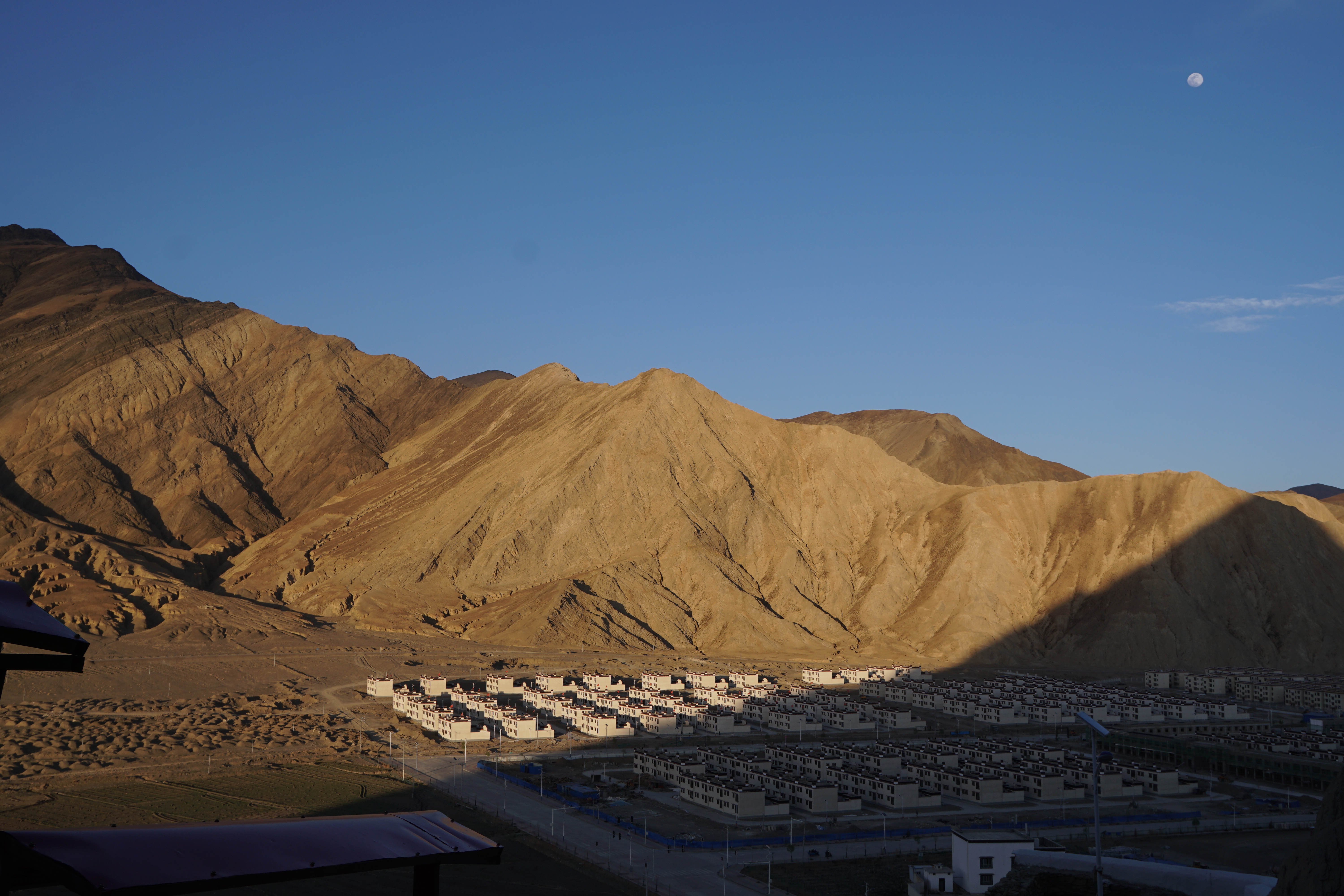
Rows and rows of new apartment blocks.

DSC06033

DSC06024

DSC06031DSC06030

DSC06035

        Thinking of those old Sherpa traders from Khumbu coming across the Nangpa La (pass) to trade in Tibet. Tingri was their first destination in Tibet.

Sacred Spaces, Sacred Places

Revering by walking, prostrating, chanting, offering…

Offerings – of objects or one’s presence –  affirms the Tibetan’s reverence of sacred places and objects.


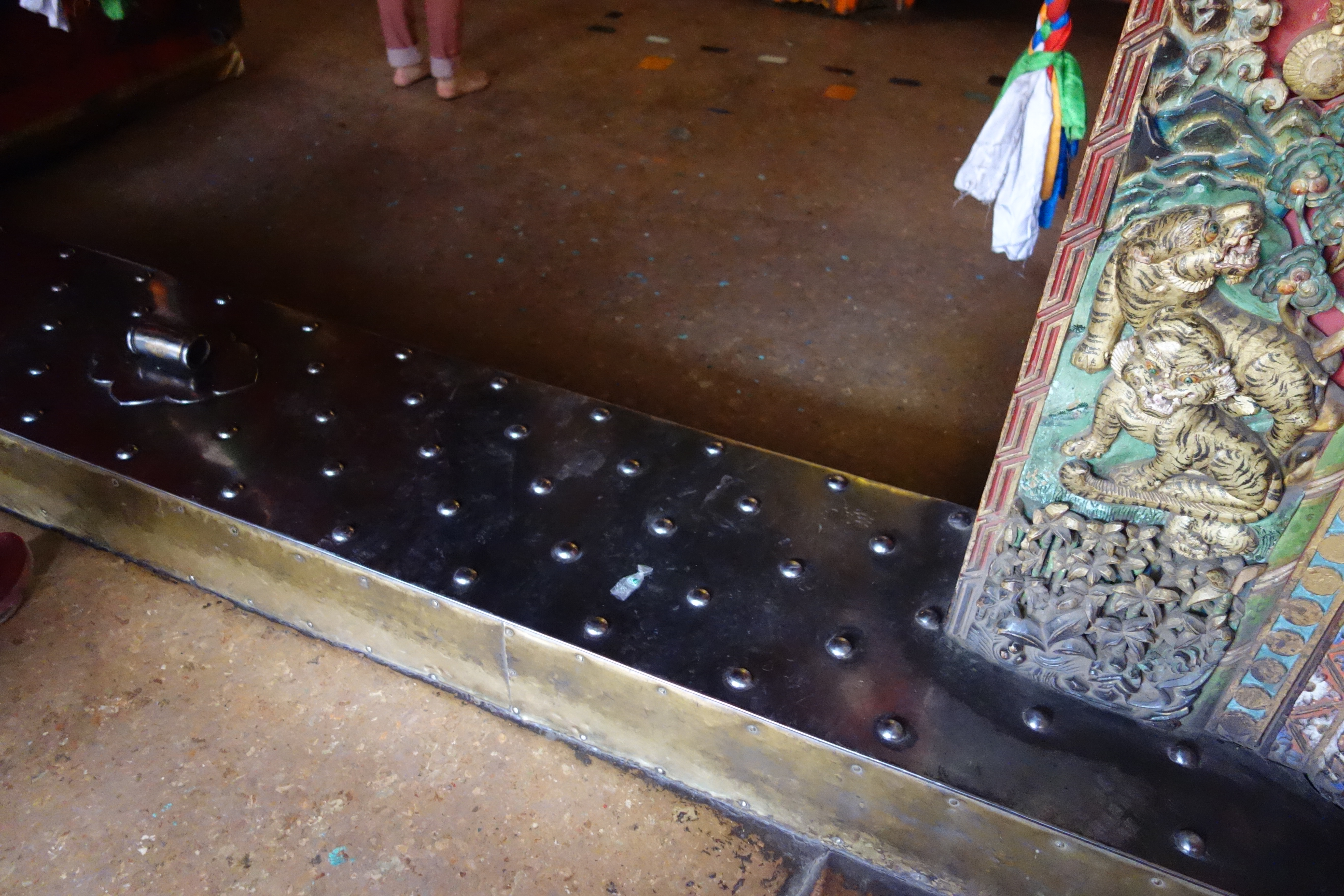
jokhang threshold

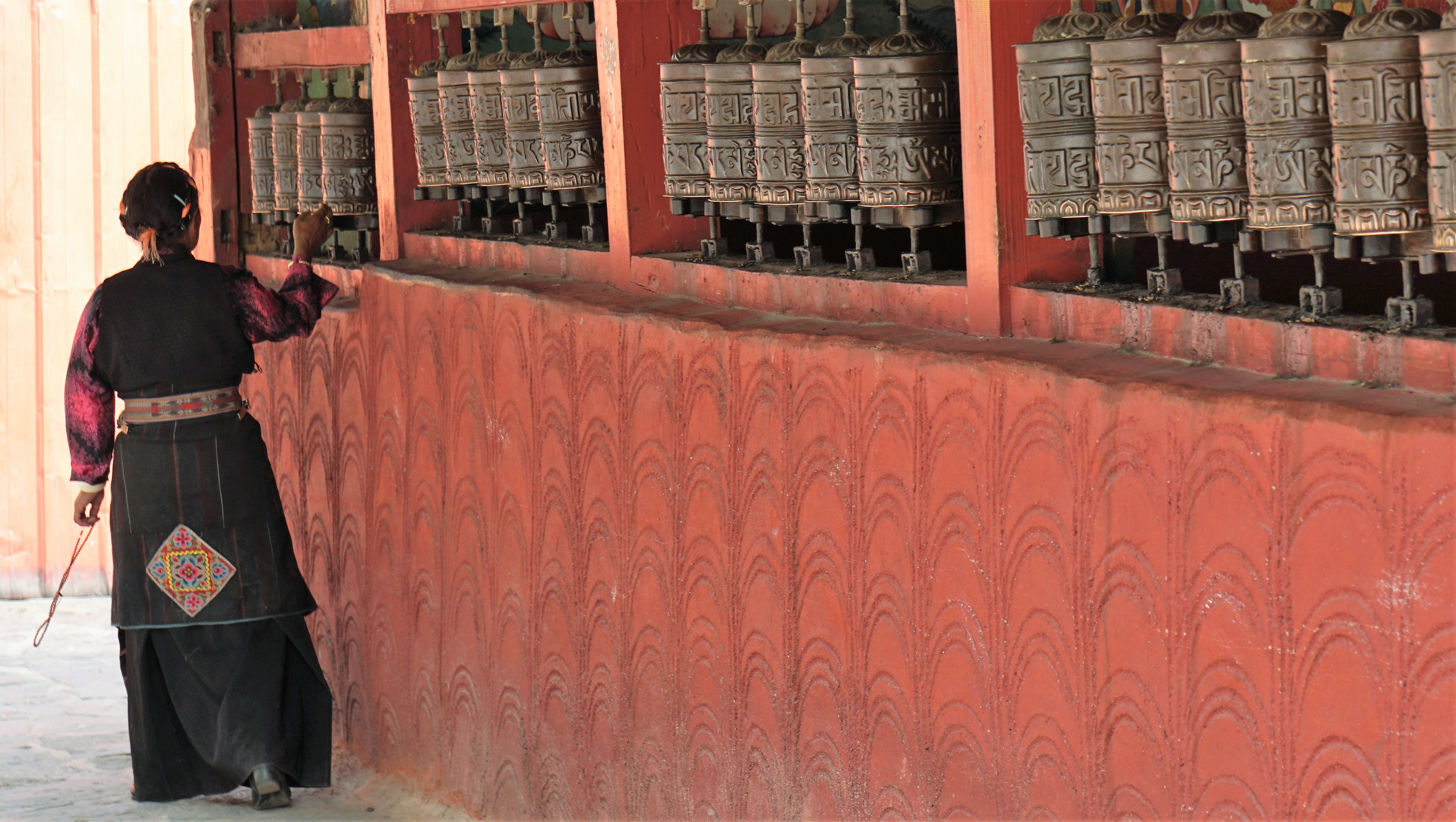
Thresholds can be the shift into a physical structure or rituals for new events in a lifetime. Thresholds are the crossing into another existence whether physical, emotional, or spiritual… or as in these sacred places, the combination of all three.

Jokhang – the heart of Tibetan pilgrimage

Tibetans think of the Jokhang as the “spiritual heart of Lhasa” and it does sit in the middle of the Barkhor, the market square of old Lhasa. More importantly, it is the most sacred and important temple in Tibet.

King Songtsen Gampo (traditionally the 33rd king of Tibet) began to build the temple in 652 AD to house the many Buddhist statues brought as dowry by his two brides: Princess Wencheng of the Chinese Tang dynasty and Princess Bhrikuti of Nepal, who both helped him establish Buddhism in Tibet. The most important statue is the Jowo, an image of the twelve-year-old Buddha. The Jokhang was enlarged many times and the scene of many important events in the establishment of Buddhism in Tibet.

DSC05966

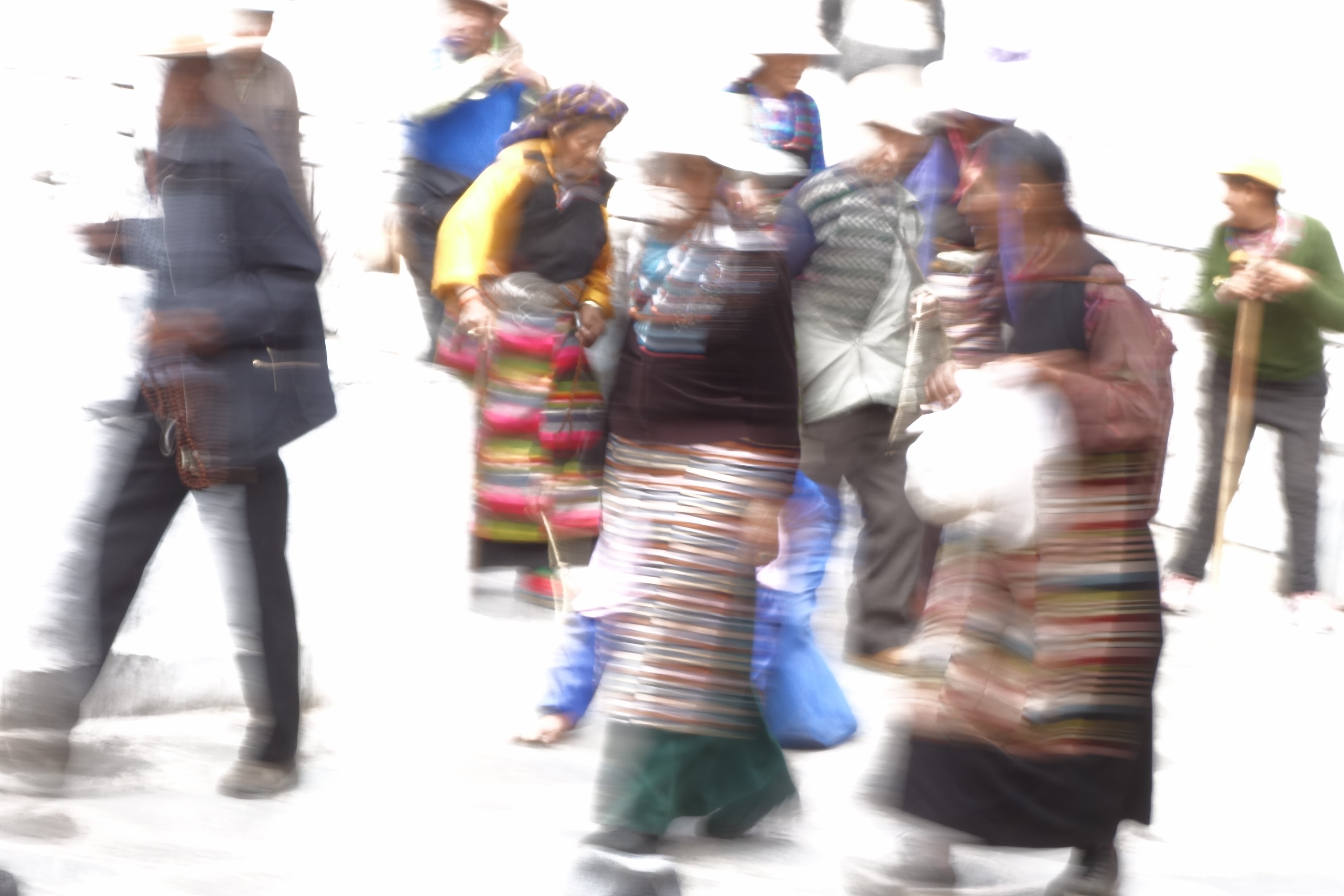
In the morning there were thousands of Tibetans in a long queue to visit the inside of the Jokhang while others did prostrations and circled this most important temple.

DSC05974

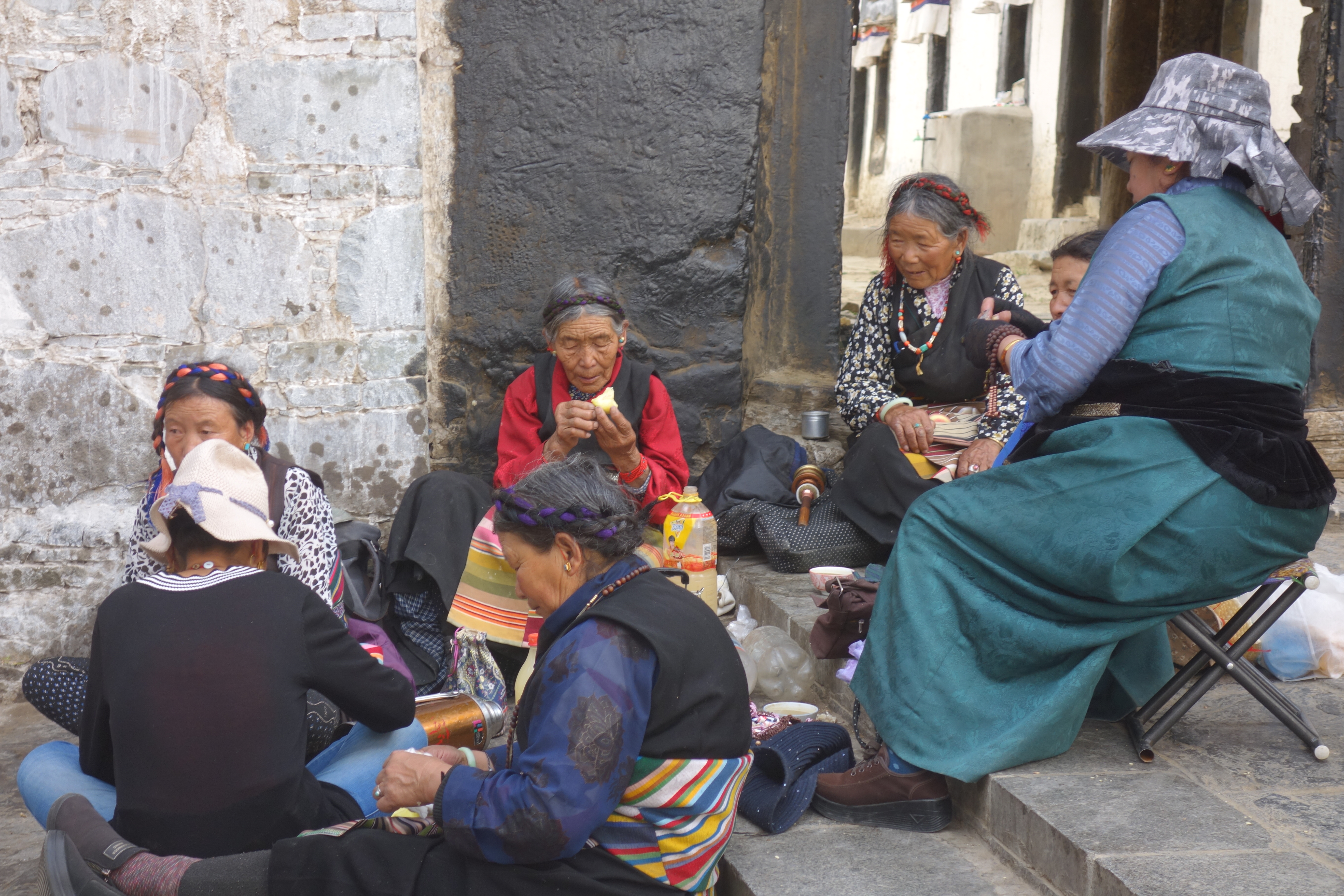
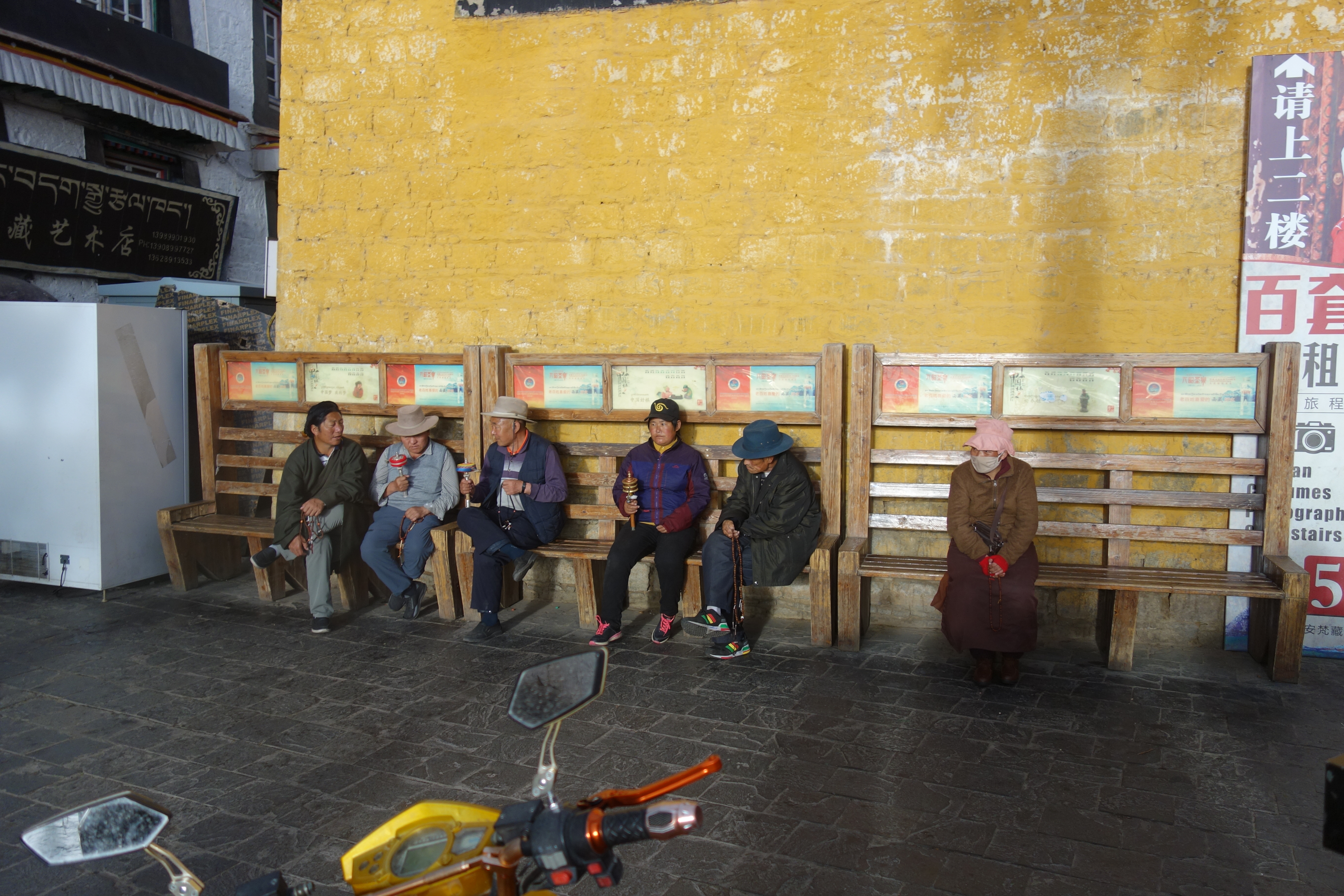
Spiritual and social… taking a break from prostrations

DSC05972

Starting young… her mom showed her how to do the prostrations

DSC05977

The police managing entry to the Jokhang let tourists in by another door without the long queue. Most of the other tourists were Chinese… everywhere we went.

DSC05984

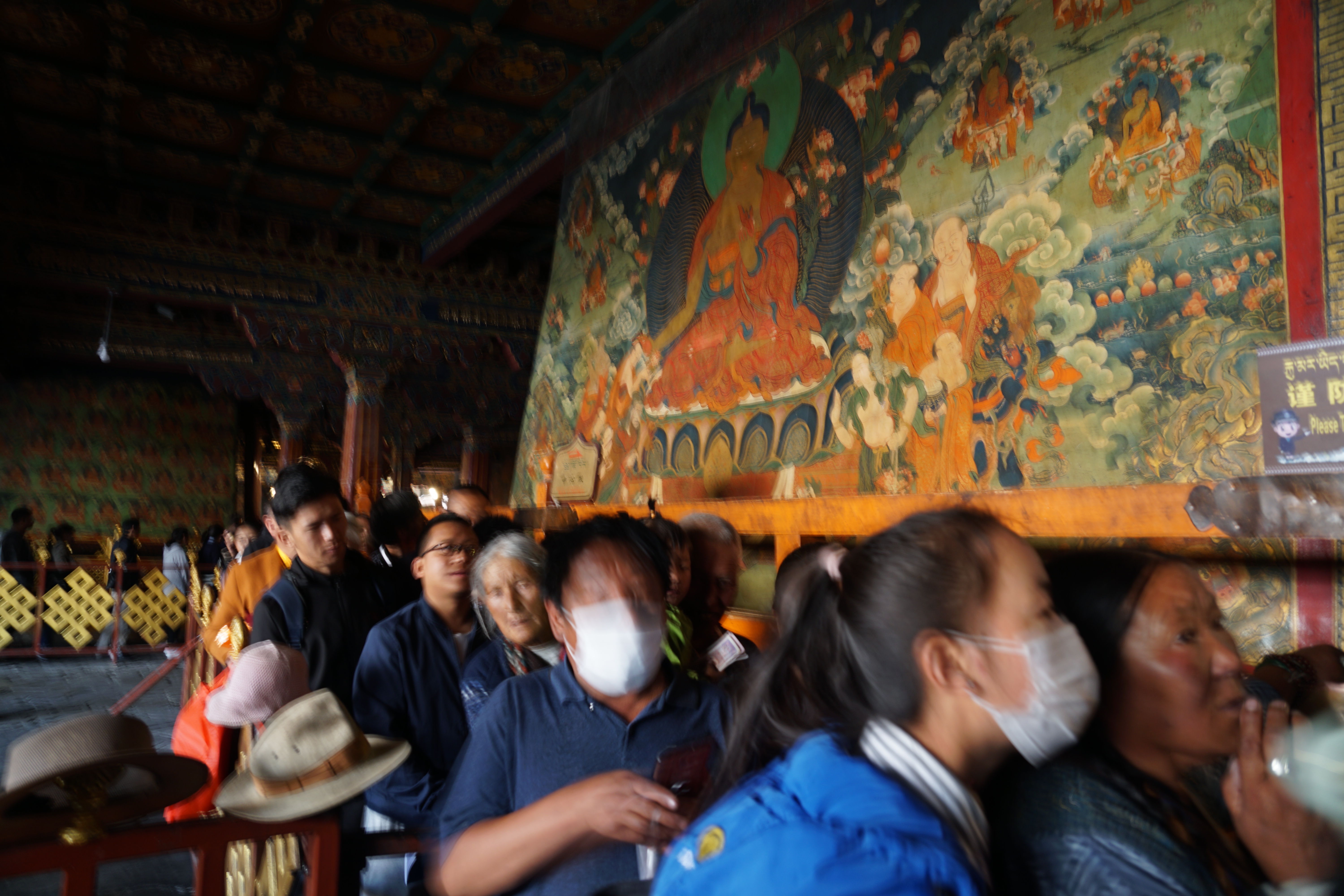
The queue was long but people were patient.  Many people carried large thermoses full of melted butter to add to the huge butterlamps by the main Jowo statue.

DSC05982

The murals on the walls were fantastic, but no photos were allowed past this doorway.

DSC05979

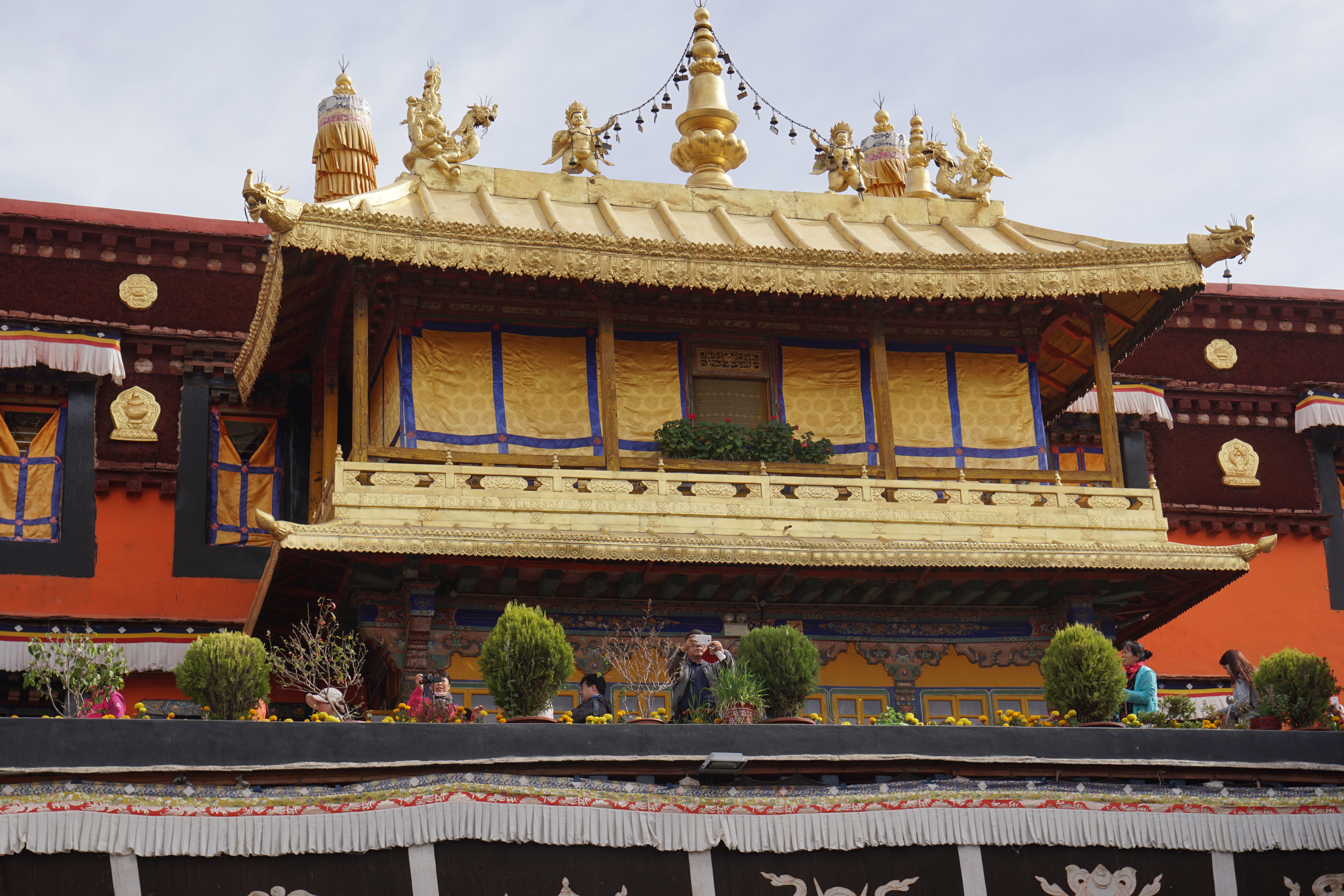
This old carving on a stone block seemed old. Some of the temple is about 1,300 years old and some has been refurbished, like on the roof.

DSC05986

DSC05978

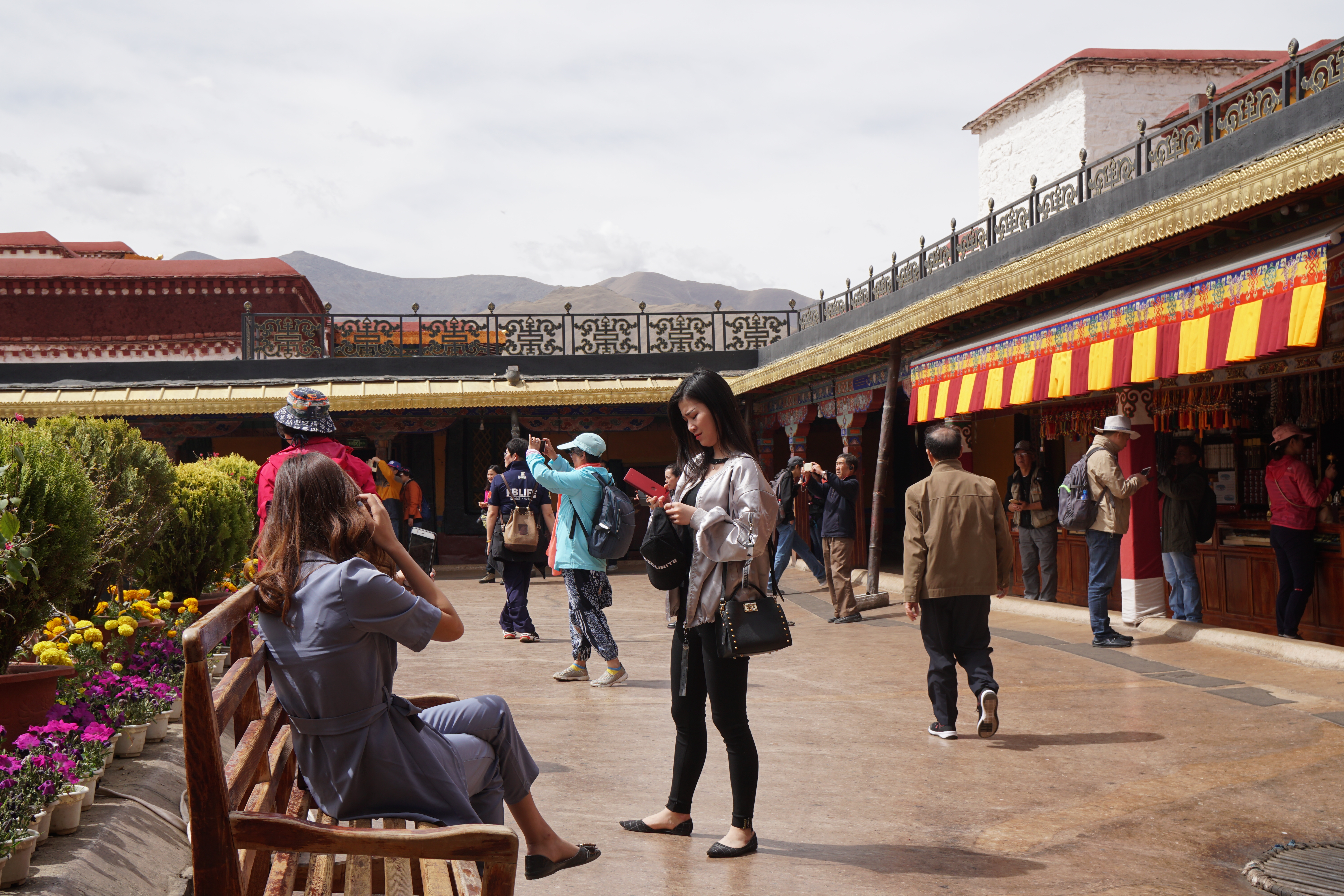
We could not see signs of the fire on Feb 17, the day after Losar this year. But, barriers and security guards limited how far we could wander on the rooftop.


DSC05987

Most tourists were Chinese. An elderly Tibetan man I knew from past visits said that recently published statistics on visitors to the Potala in the previous month were 34 Tibetans, 5,000 Chinese, and 17 foreigners.  We did not visit the Potala on this trip. While I waited for the group, a young Chinese woman started talking to me here on the Jokhang roof. I asked her what attracted her to visit here… “pure, clean land and very faithful people”  It seemed that she had not heard much else about what has happened in Tibet.

DSC05994

Shigatse and Tashilunpo

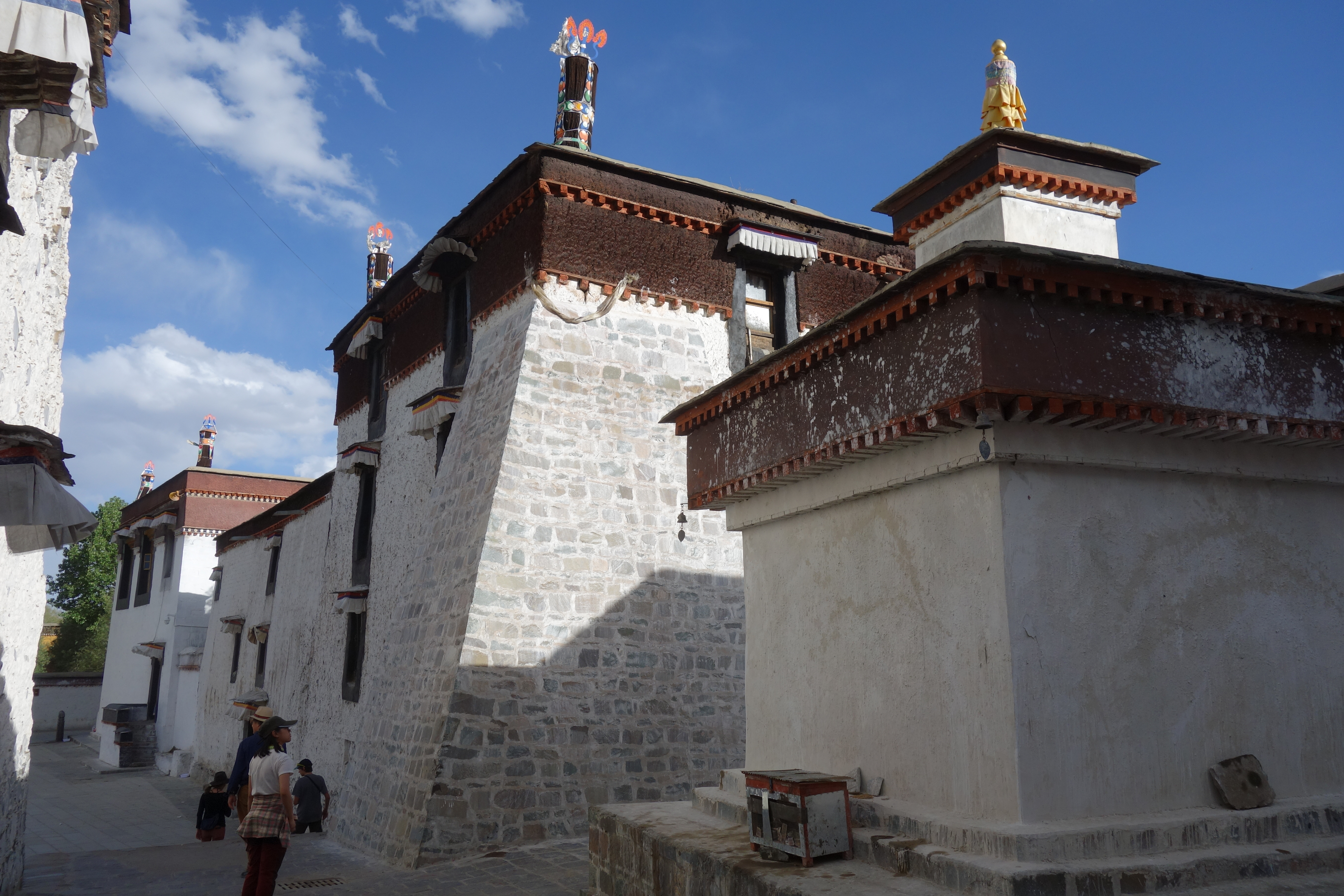
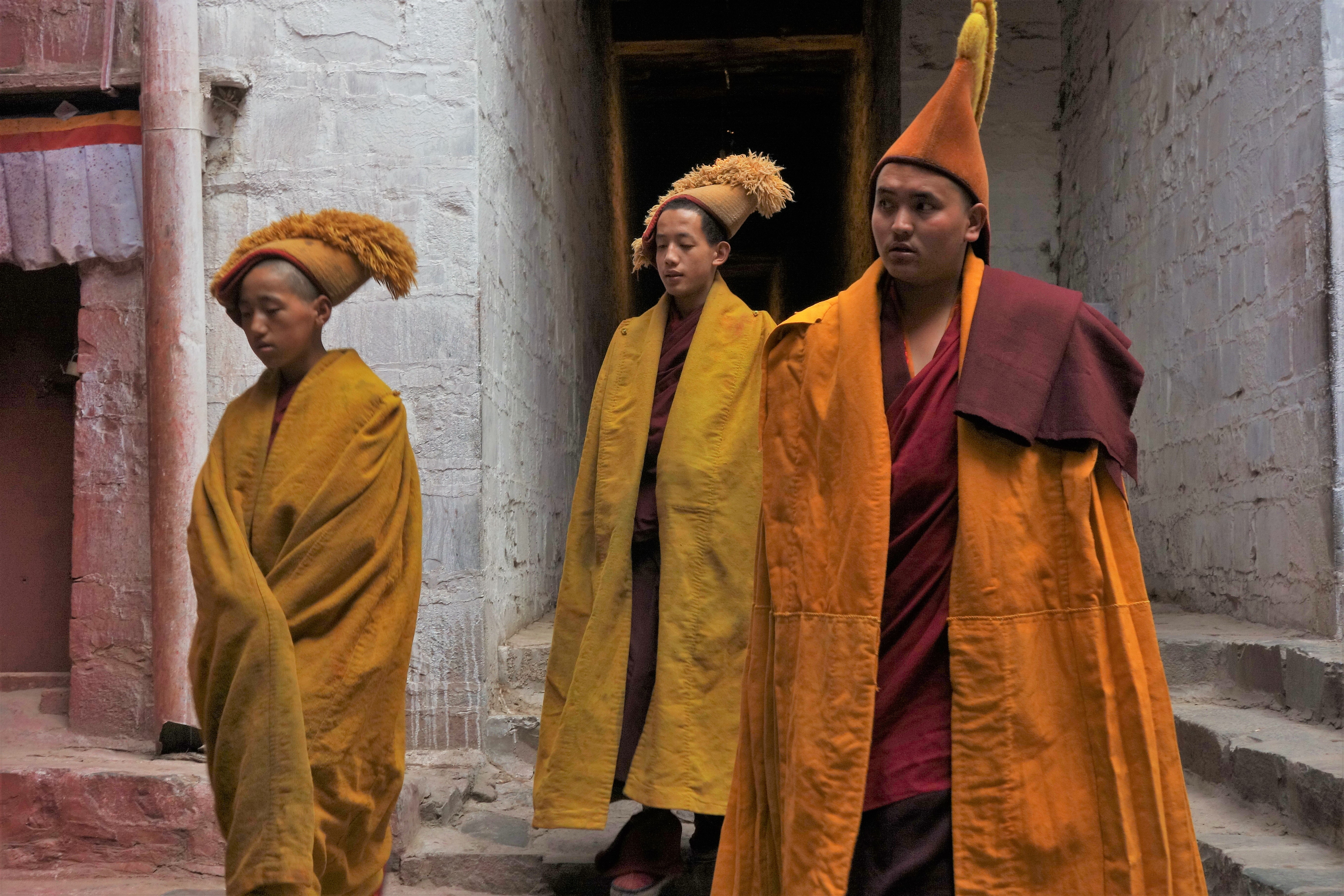
Tashilunpo is a relatively newer monastery in Shigastse to the west of Lhasa. It was founded in 1447 and sacked by the Gorkha Kingdom of Nepal in 1791.  The Nepalis were eventually driven back almost to Kathmandu. The monastery once had over 4,000 monks but we could not find our how many are there now.

DSC00988DSC00978

DSC00982

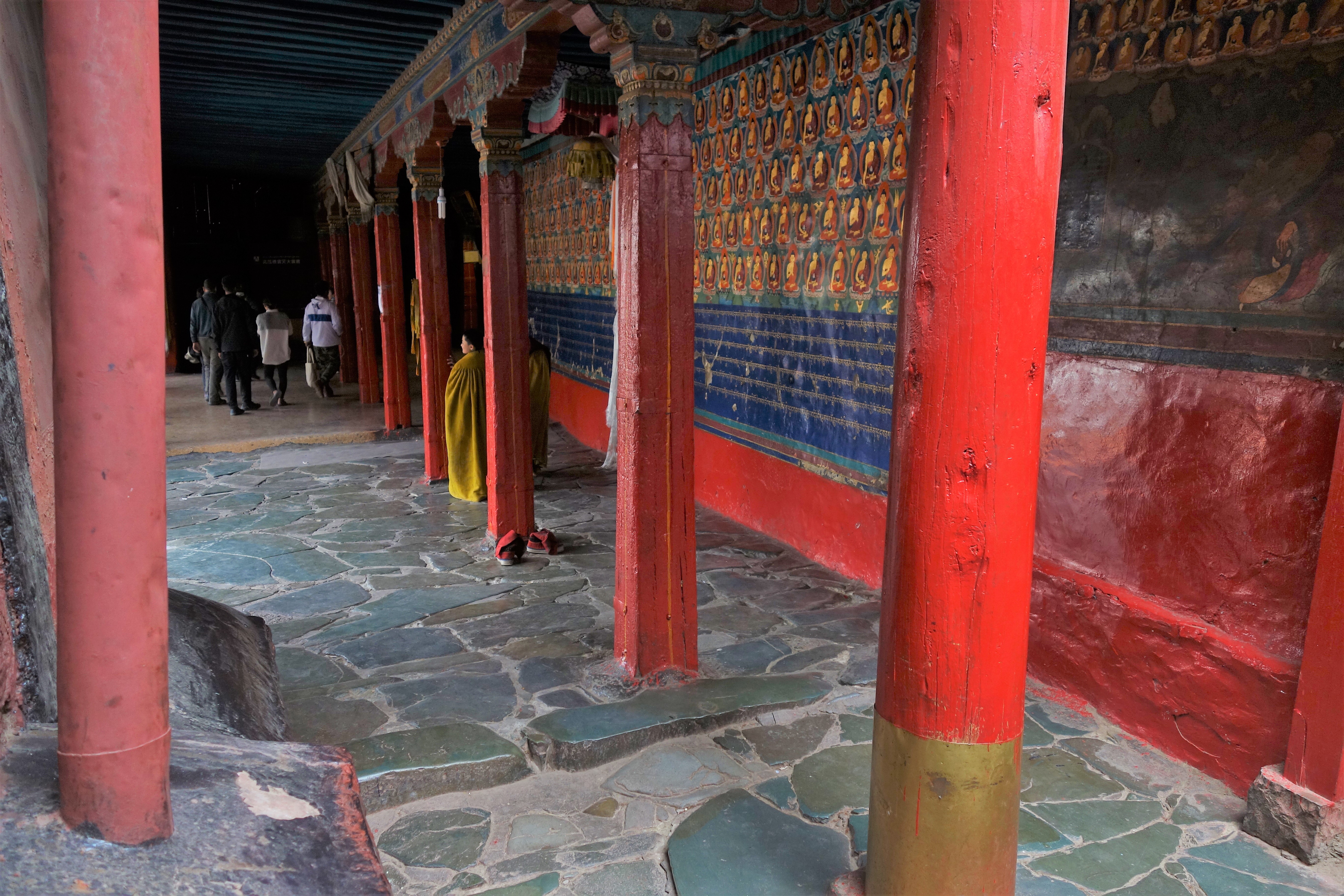
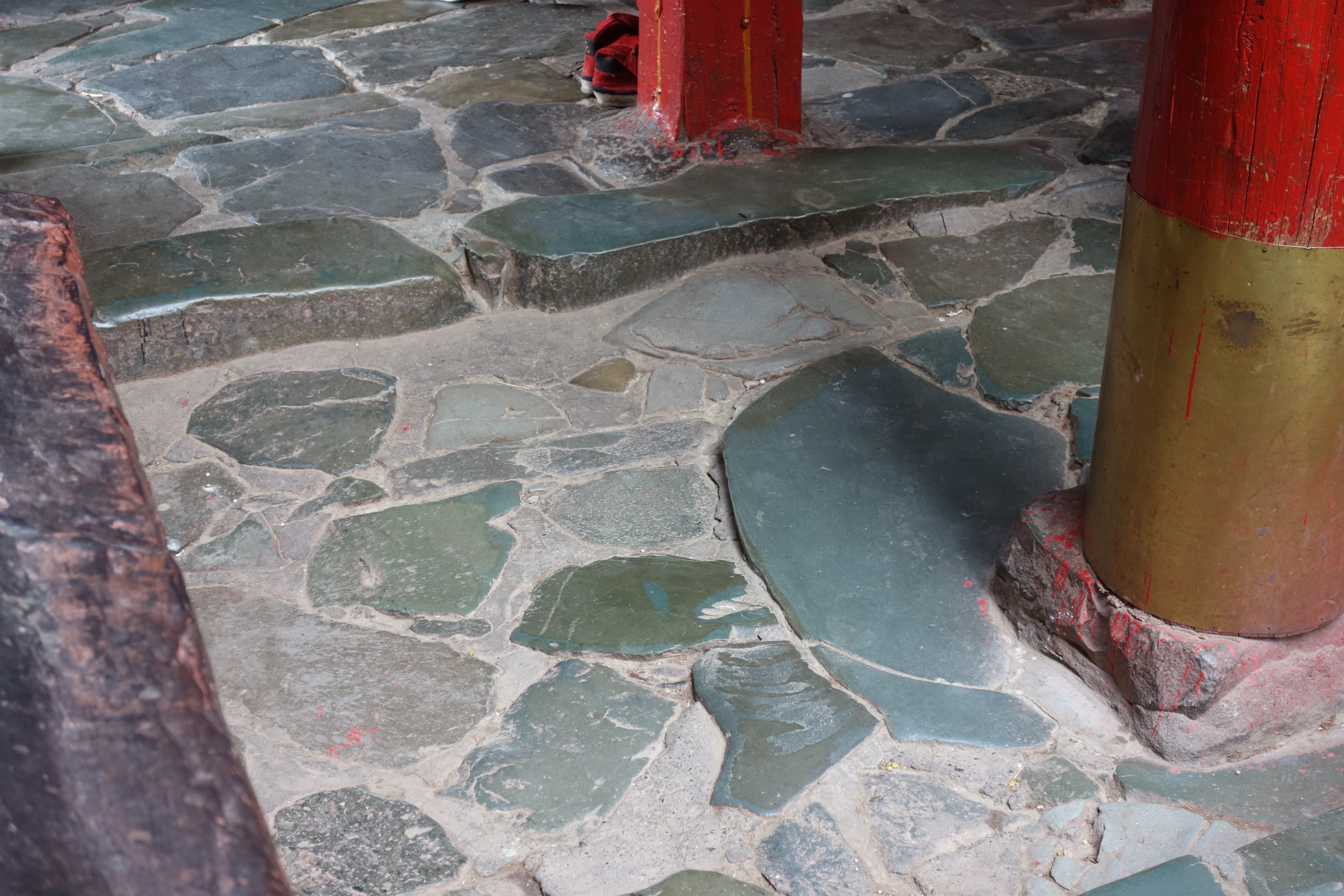
The worn flagstones… what history has passed over them.

DSC00980

DSC00981

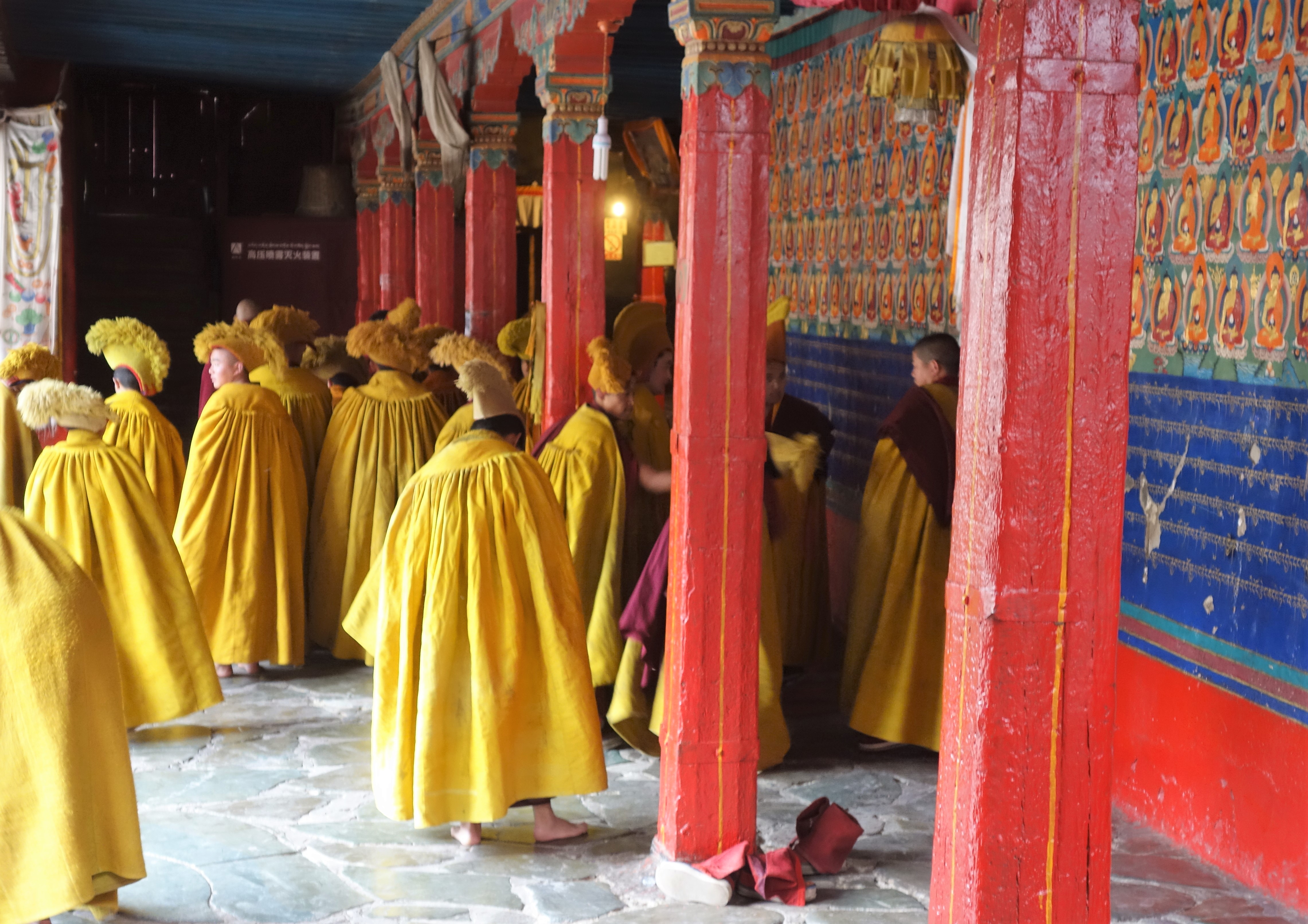
The monks gathering for evening prayers

DSC00983

The threshold into the main prayer hall.

DSC00965

Avalokiteshvara or Chenrezig in Tibetan embodies the infinite compassion of all the Buddhas and completely devoted to helping others until all being achieve liberation.

DSC00984

There are four main gompas (temples) in the monastery.

DSC00987

The representation of the spiritual character of a previous lama.

DSC00951

We were visiting in Saka Dawa, the sacred month commemorating the Buddha’s birth and enlightenment. Local people filled the area around the three stupas at Tashilungpo as they walked the kora, rested, ate, and visited.

DSC00949

The kora path was like a river of devotion.

DSC00948DSC00944DSC00942DSC00958

DSC00955

Toddler sleeping on a bench.

DSC00964

DSC00963

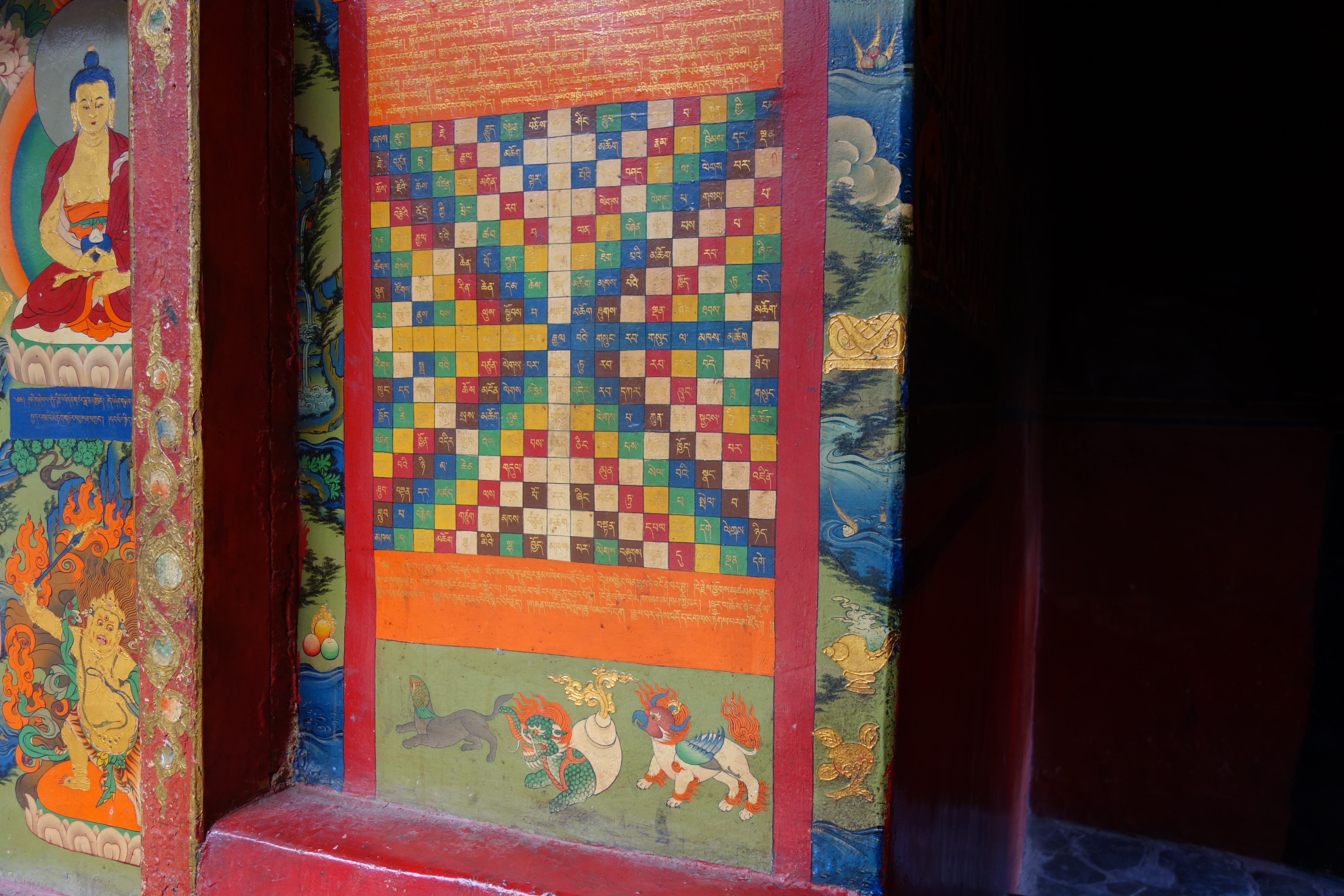
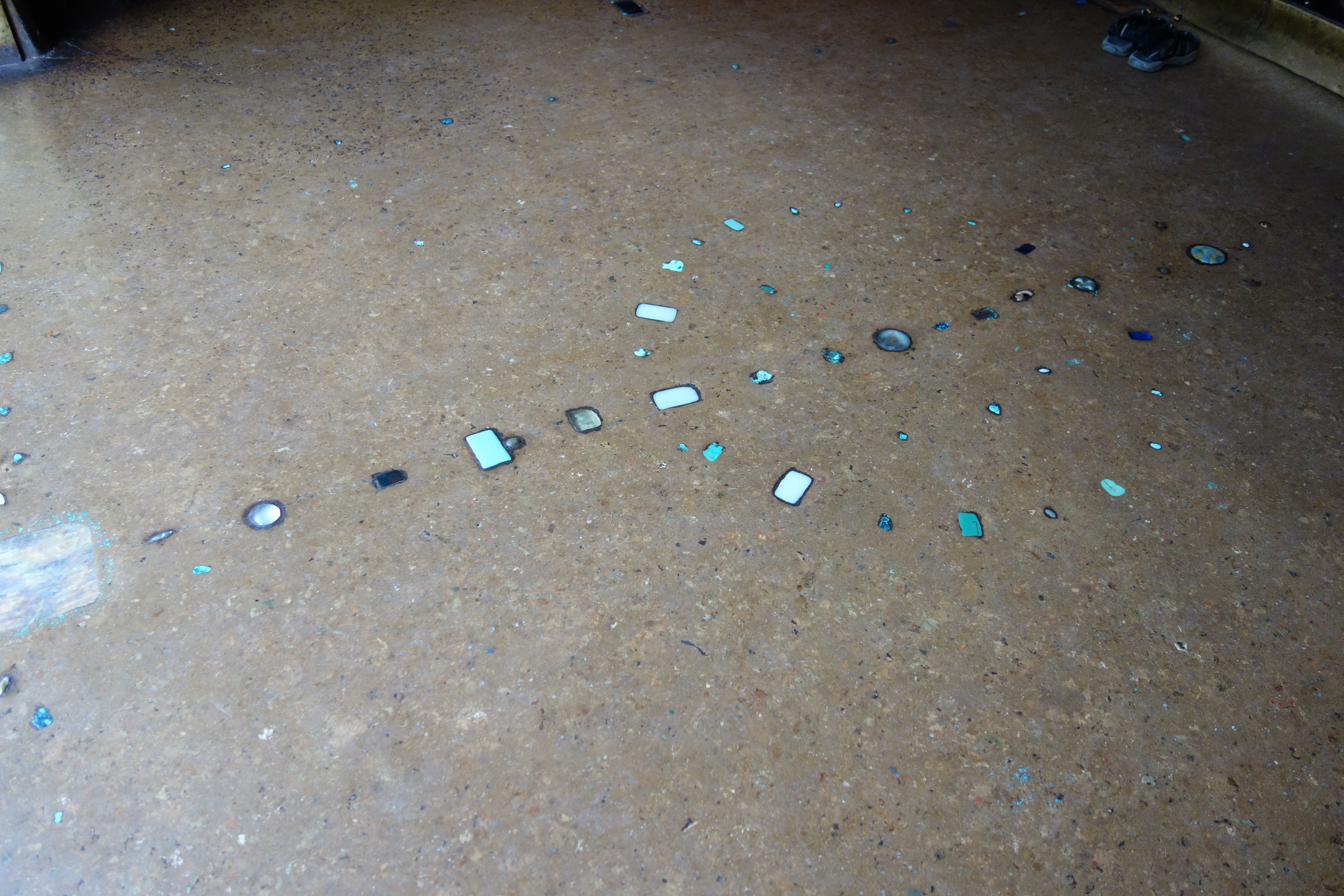
Many of the entry ways just before the thresholds at Tashlungpo had diagrams of inset turpqoise and other stones perhaps as extra symbols of one’s entry into sacred spaces.

DSC00961

This is an ancient symbol represents continuity and good fortune. Unfortunately, its reverse was stolen for use by the Nazis in the 1930s.

DSC00962

Photos on the roof of the Jokhang 1990s

Arriving in ultra modern Lhasa

DSC00915

Arriving in Lhasa, May 2018, I’ve not been here since 1998 … new airport, three security counters, meet our guide, out into the parking lot, and a glimpse of the reality here.

IMG_0044

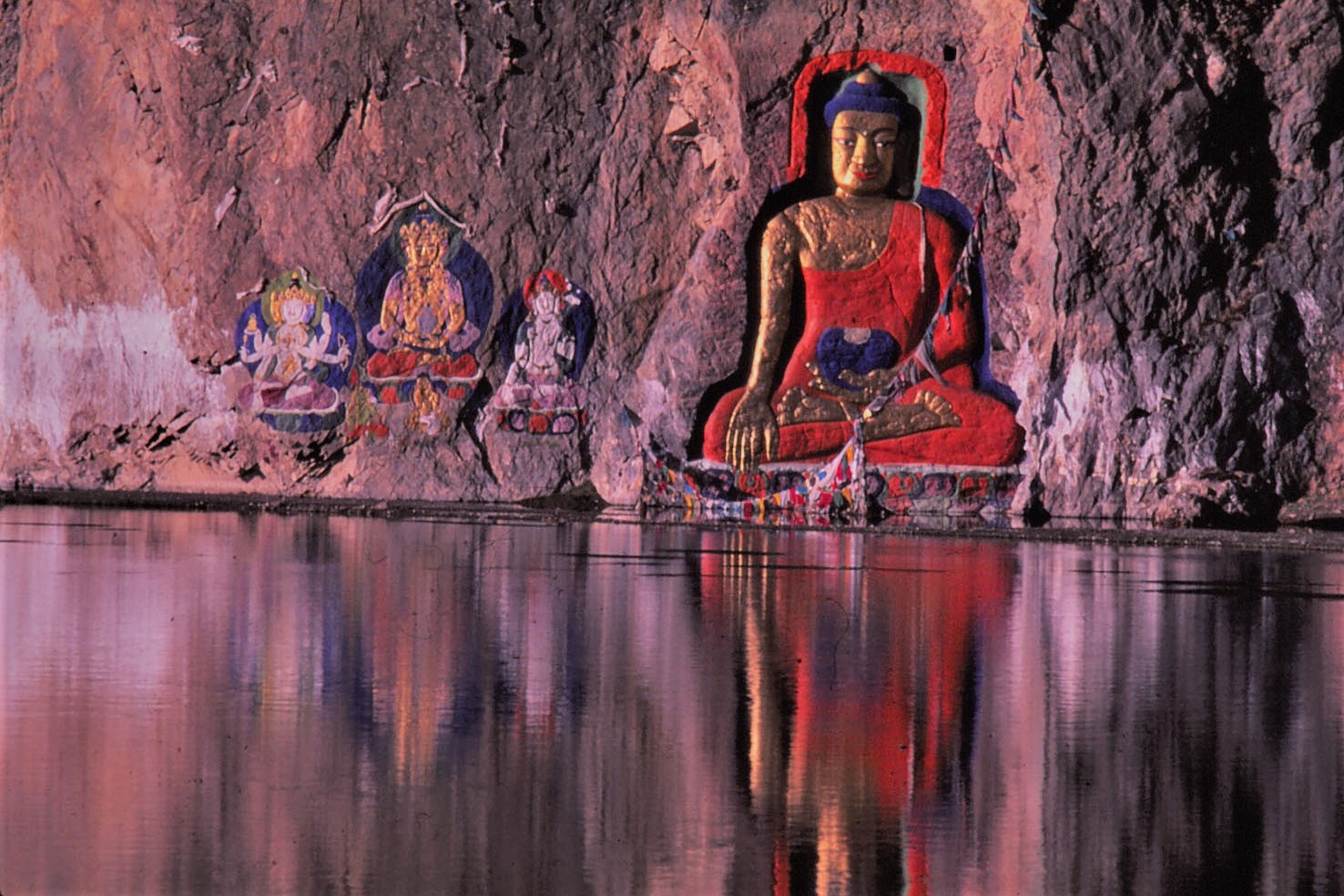
The old road meant a three hour trip, but one of the highlights was this beautiful Buddha seen along the way.  This photo is from my last trip in 1998.


DSC00917

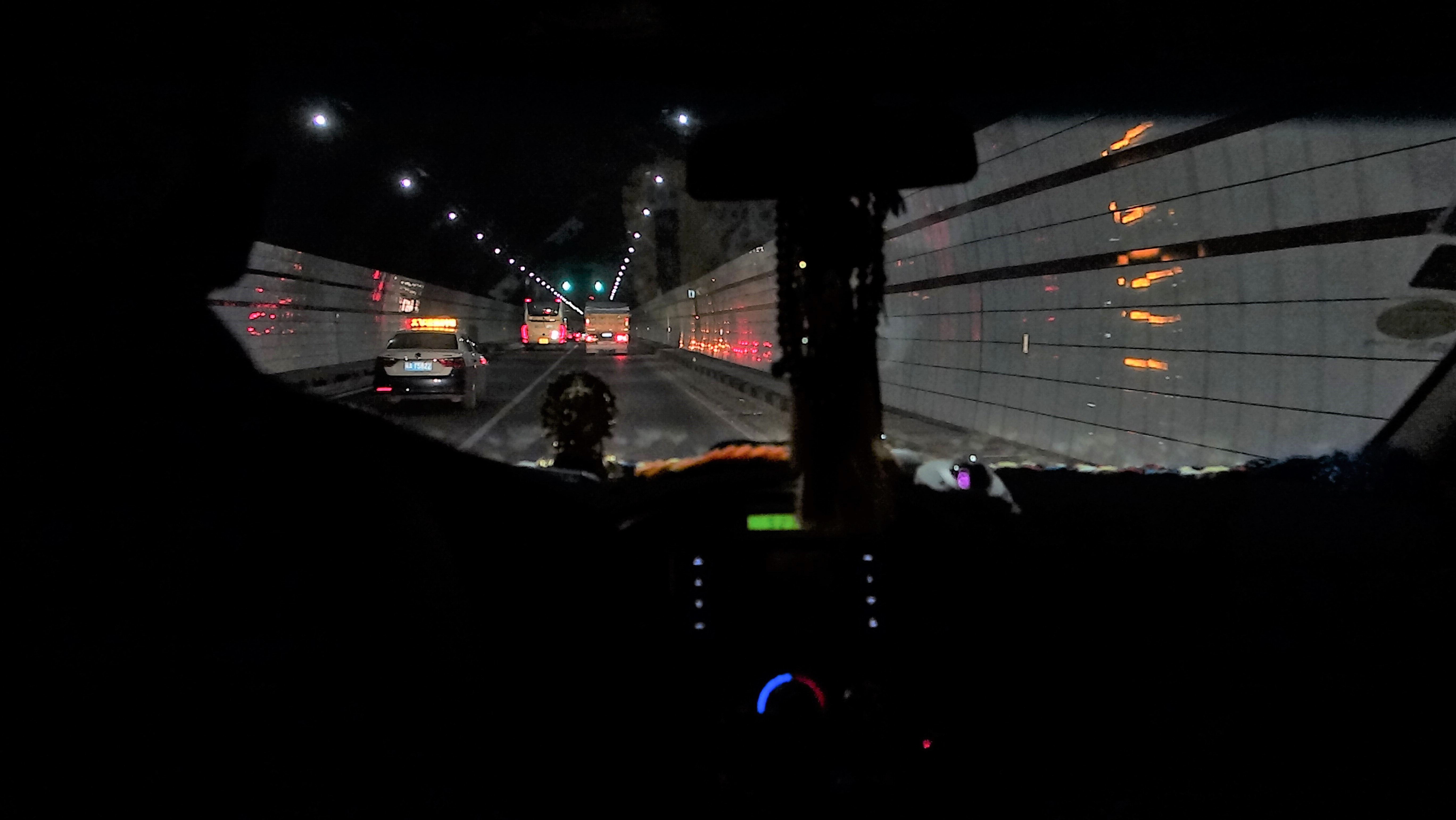
There is now a long, long tunnel that takes about two hours off the trip from the airport to the western edge of Lhasa. The tourist van is equipped with a camera (purple ball to right of centre) to record all that goes on inside and the speed of the van is monitored remotely. If a driver is going too fast, he is likely to get a phone call to say to slow down. The speed limit is 80 km/hr.

DSC00940

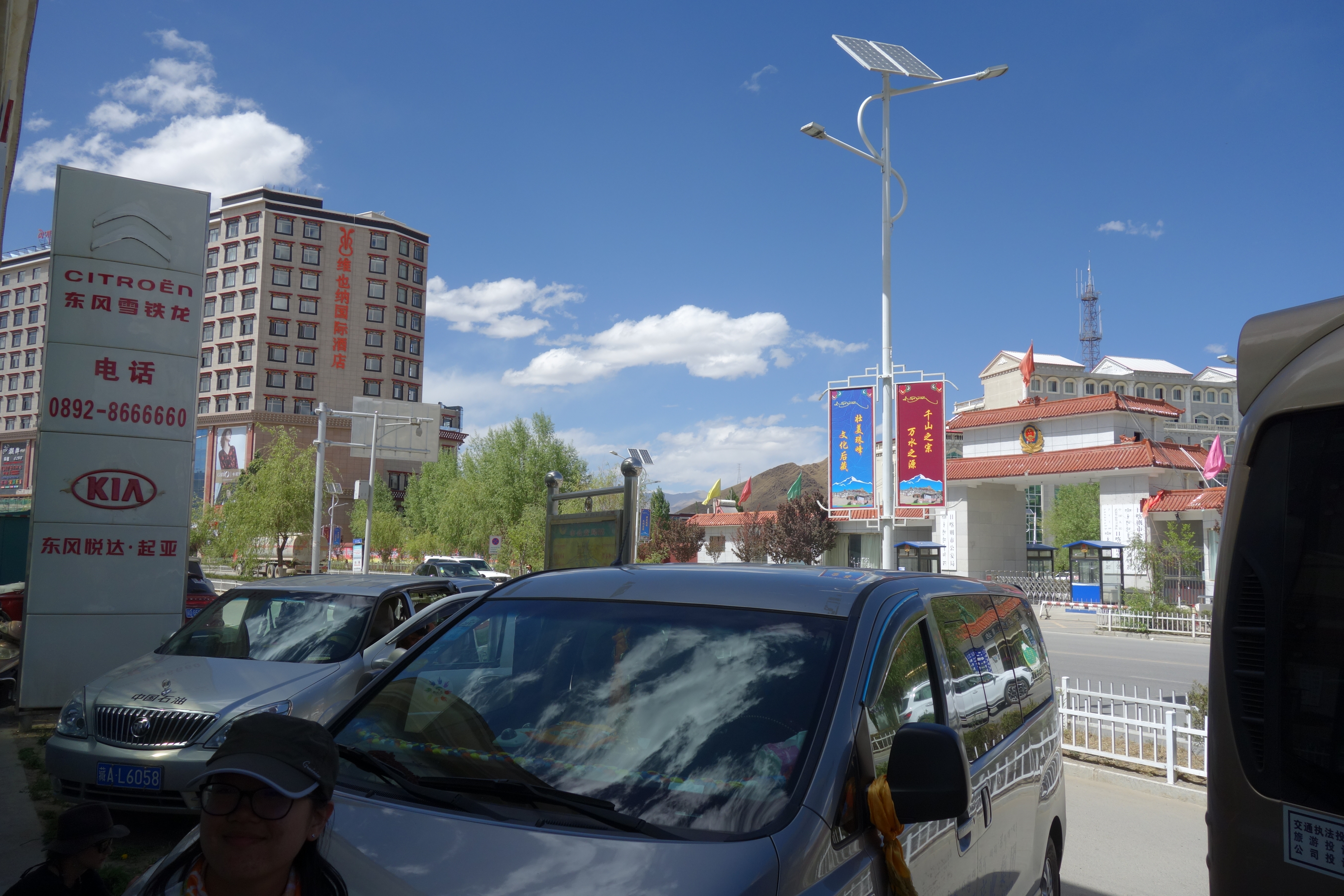
The first glimpse of Lhasa is now of high rise buildings at the west end of the city. Next is a security check stop then driving past more mostly empty high rise apartment buildings where Tibetans working in remote areas buy flats as an investment and for their retirement. If they are working and living in a remote area, as our guide said, “everyone wants to live in Lhasa”  (this is just like all Nepalis wanting to live in Kathmandu and 50% of all Georgians now living in Tbilisi) Eventually we got to our hotel in an area of … wide streets, new modern buildings. This photo is actually in Shigastse as I was too flabbergasted to take photos of the journey into Lhasa.

DSC00929

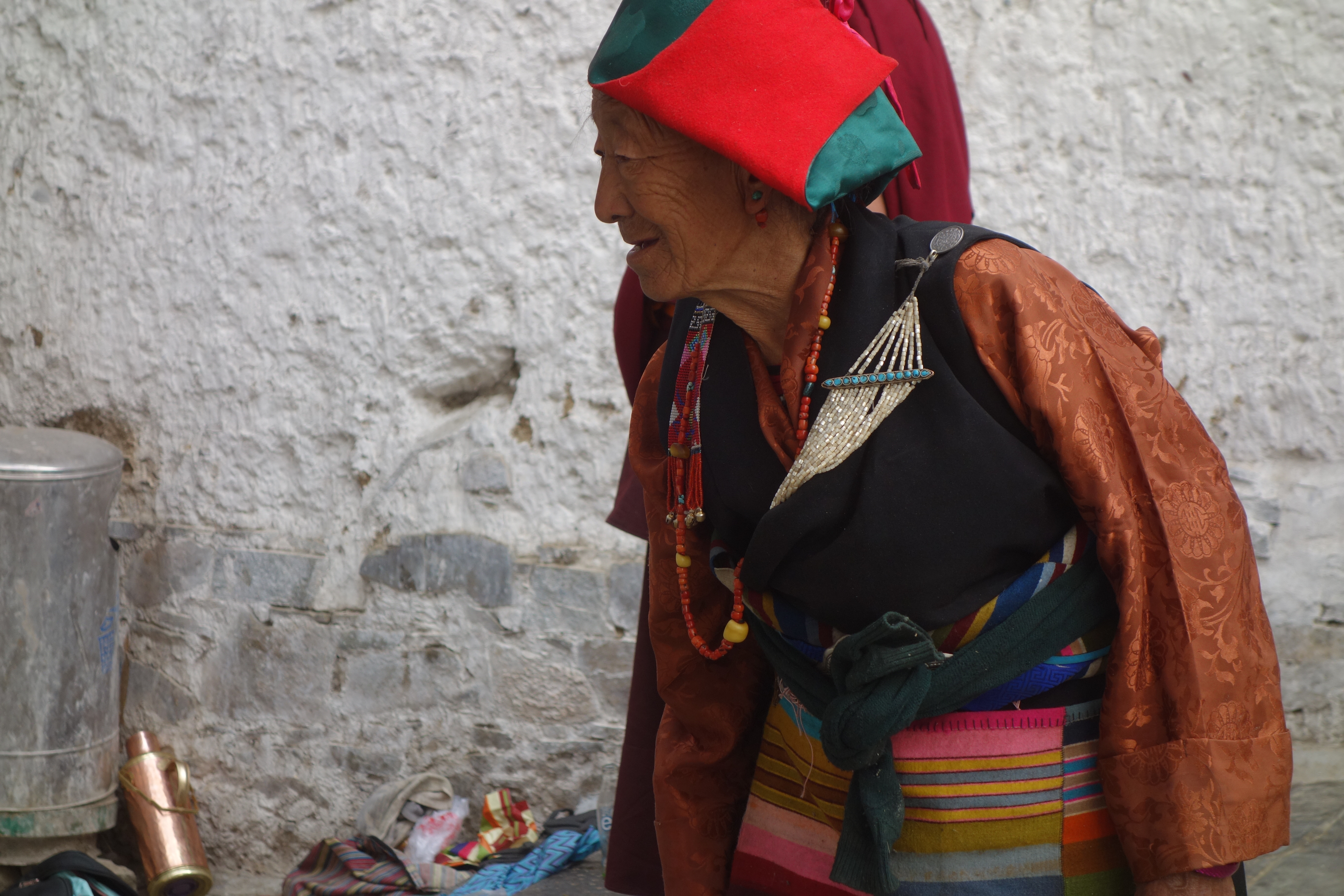
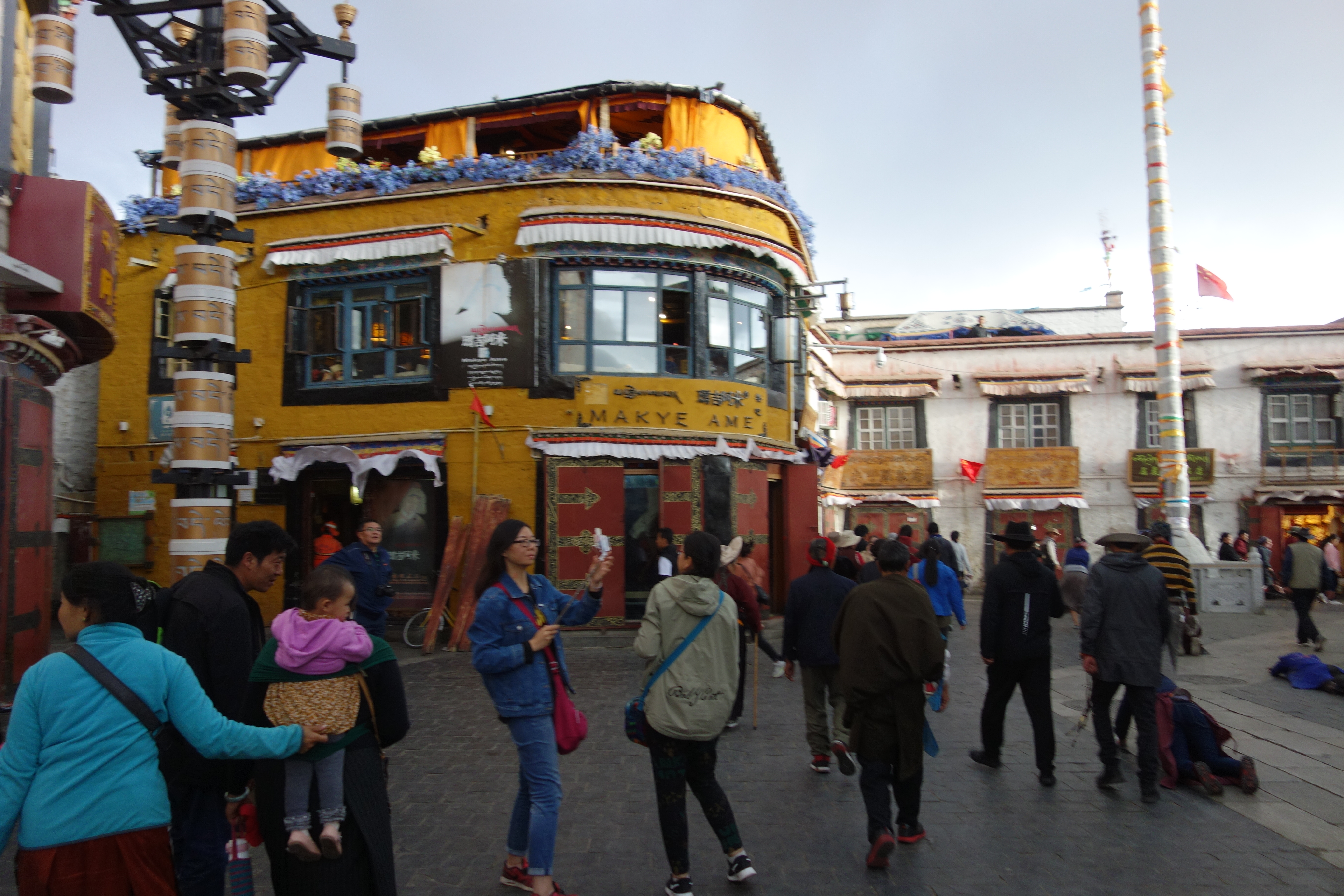
From the hotel, we walked along the wide sidewalks of the main street and then into the narrow lanes in the old city around the Barkor and Jokhang (main temple). Many of the buildings have been rebuilt but this area seemed to have mostly Tibetans going about their daily lives.

DSC00926

As we approached the Barkor, the wide walking street to circumambulate the Jokhang, we were blocked by a booth with an electronic reader for all Chinese ID cards and an x-ray machine. Everyone had to put our bags through the x-ray to continue on to the Barkor.

DSC00933

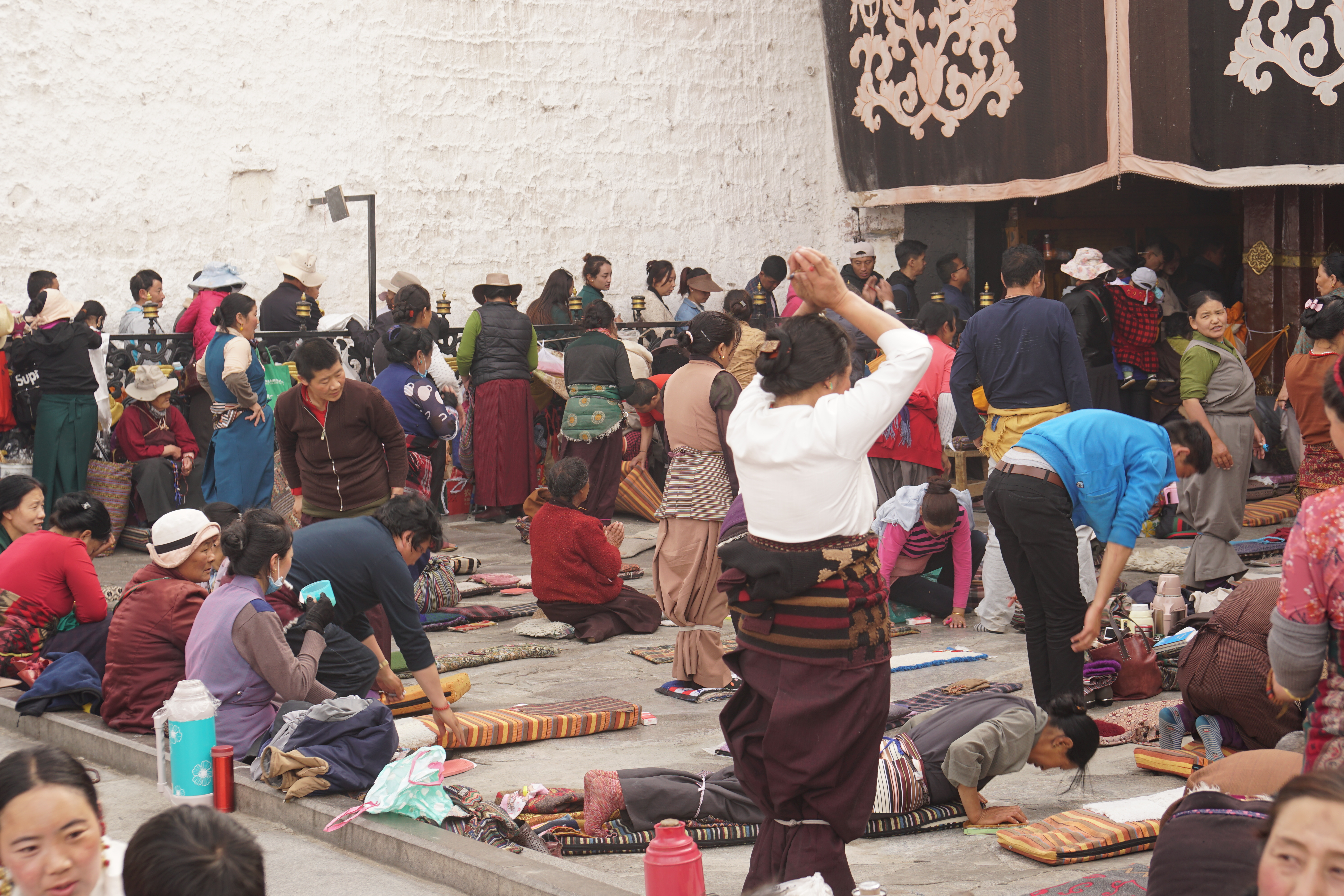
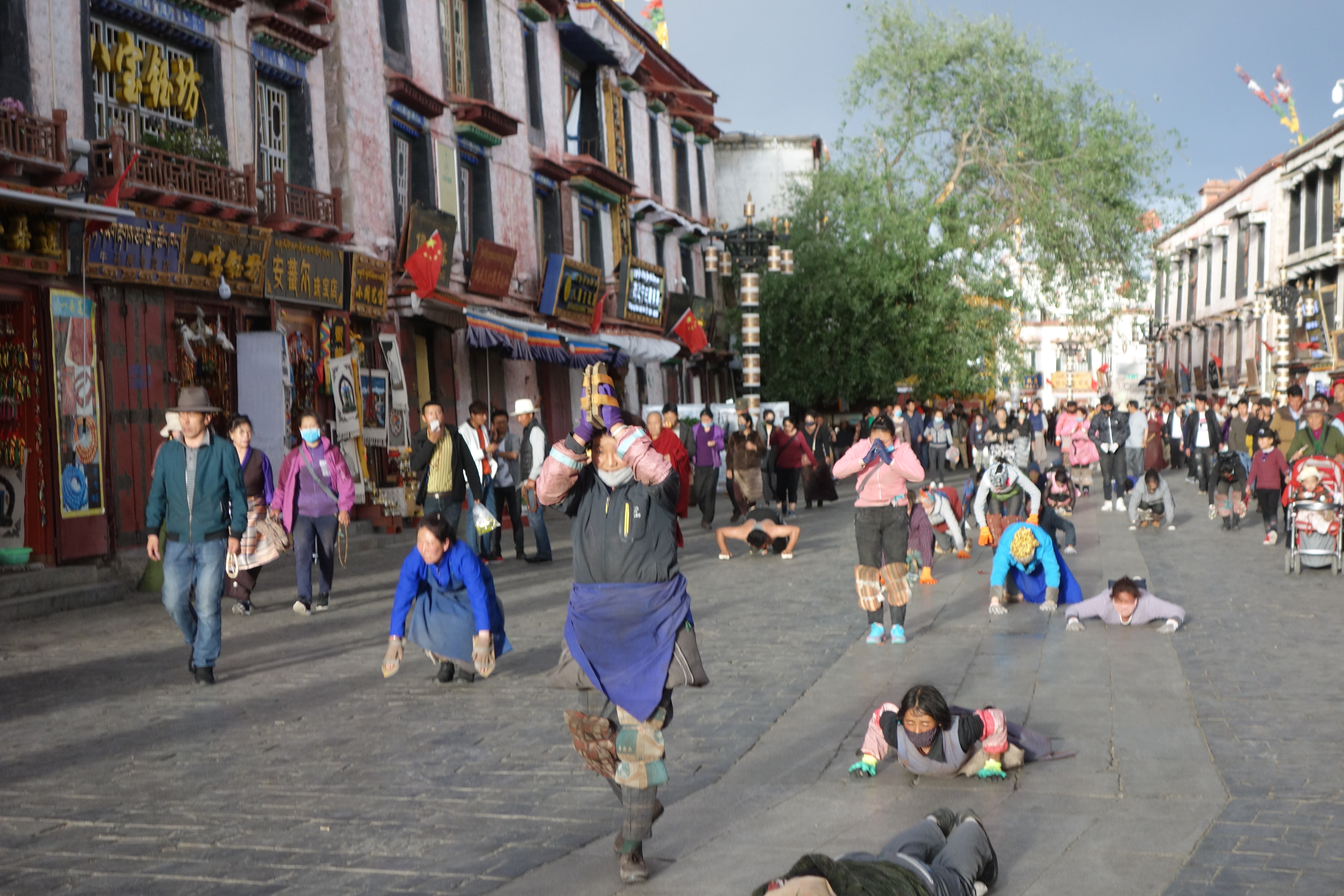
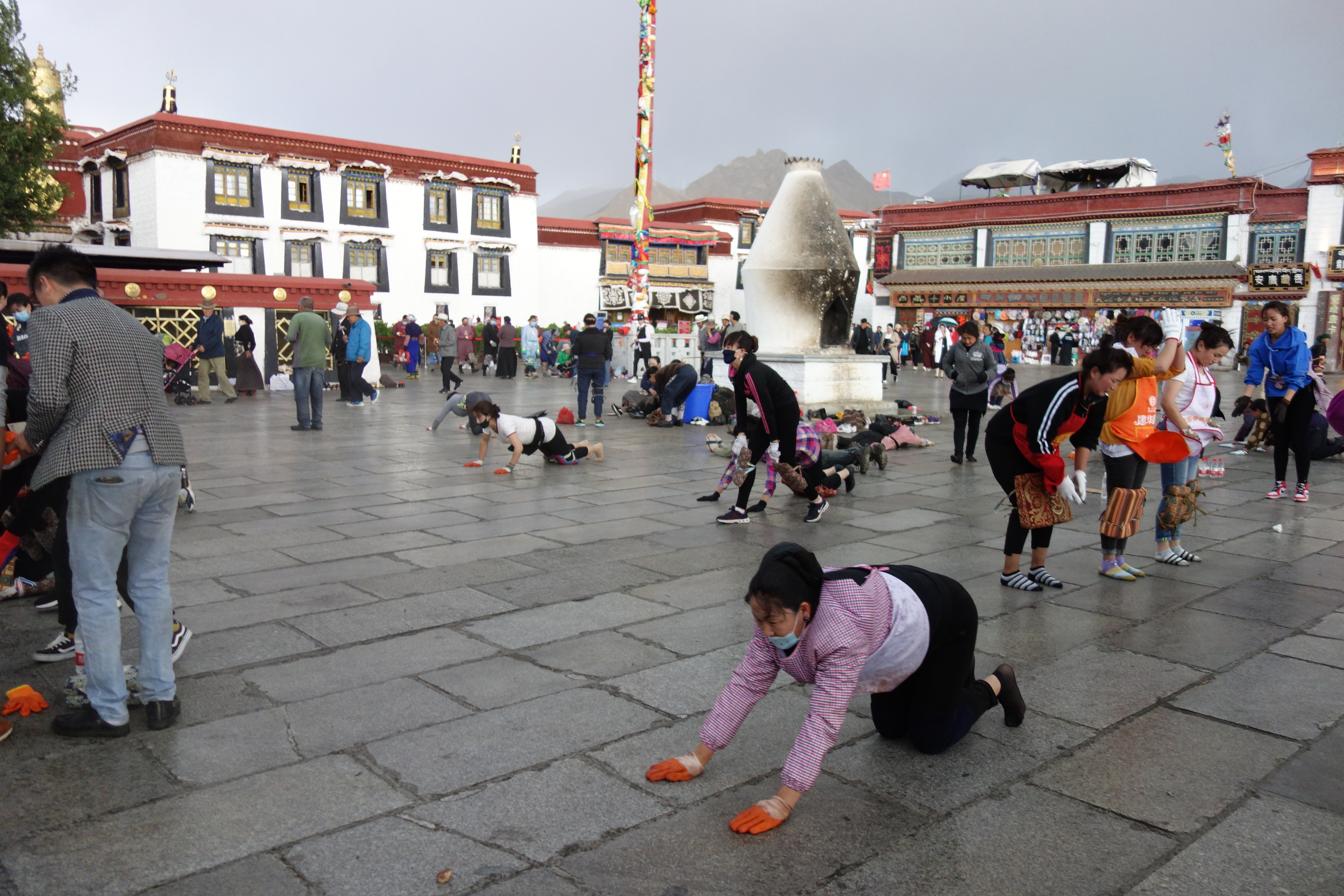
In late May it was Saka Dawa, the sacred month commemorating the birth, enlightenment, and parinirvana (death) of the Buddha. Thousands of Tibetans were circumambulating the Jokhang and hundreds were doing so by prostrating, measuring the length of their body with each prostration.

DSC00923

Most prostraters began their circuit with prostrations to the four directions in the large square in front of the Jokhang.

DSC05970

There were dozens of Tibetans doing prostrations in place at the front entrance to the Jokhang on the new looking squared flagstones.

IMG_0056

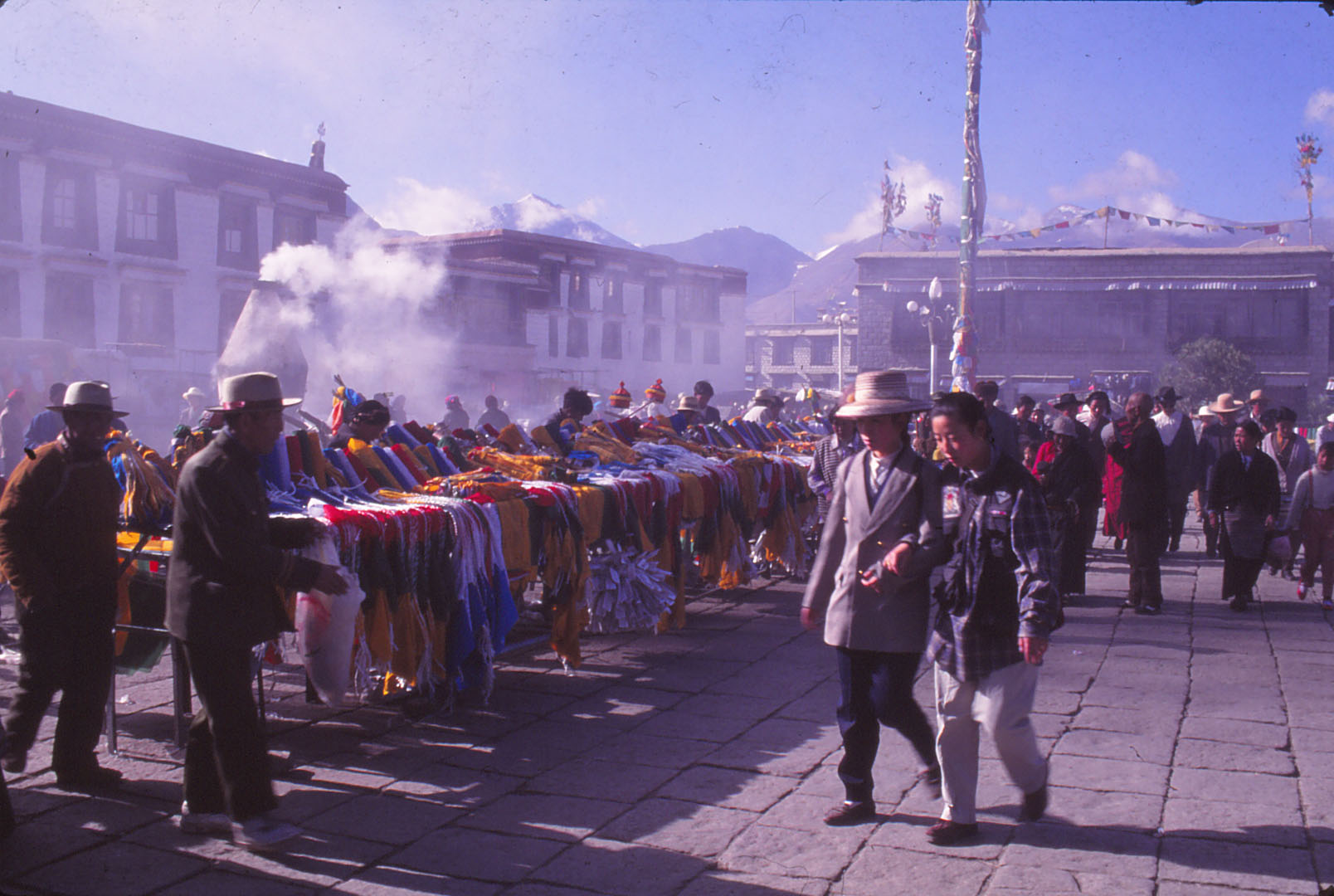
This was a change from the 1990s, when it was still the patchwork of uncut stones. As well, we were not allowed up onto this part of the roof of the Jokhang.

IMG_0080

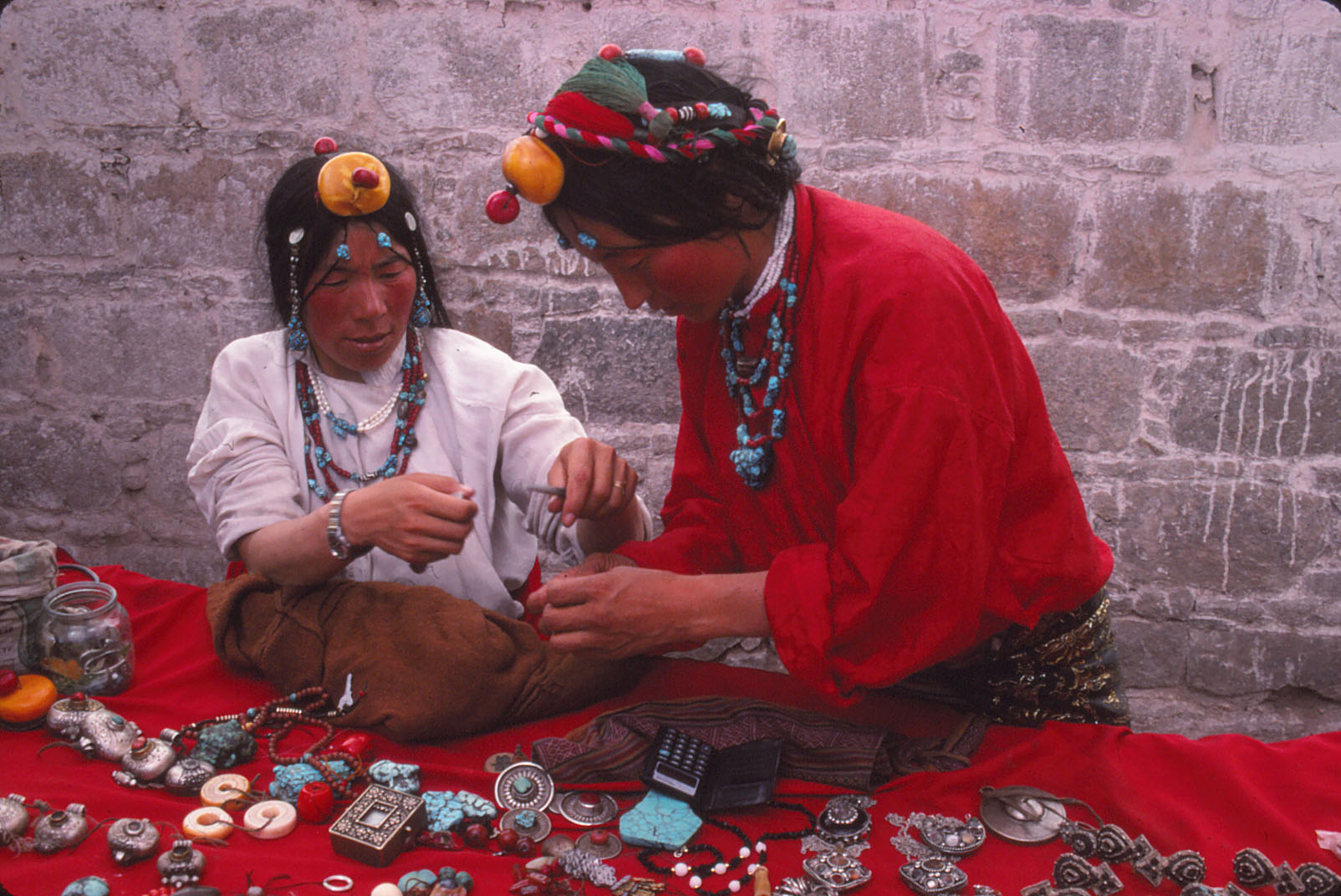
Gone were the women from Kham wearing Khampa jewelry with tables to sell souvenirs in the 1990s. Affectionately called the “lookie lookie ladies” as they chanted ‘lookie, lookie’ at the tourists. The souvenirs were all for sale in shops.

IMG_0002

IMG_0051

The devotees walking the sacred route or doing prostrations were still there but the street life has changed. Gone are the street vendors selling snacks or trinkets.

IMG_0047

IMG_0011

The juxtaposition continues. (1990s photo)