The Gods within You

A letter arrives saying that a friend in Canada was killed in an accident. It asks
me to arrange to have some prayers done for Nina.


The monks at Tengboche are busy, but someone suggests the anis (nuns) at Devuche,
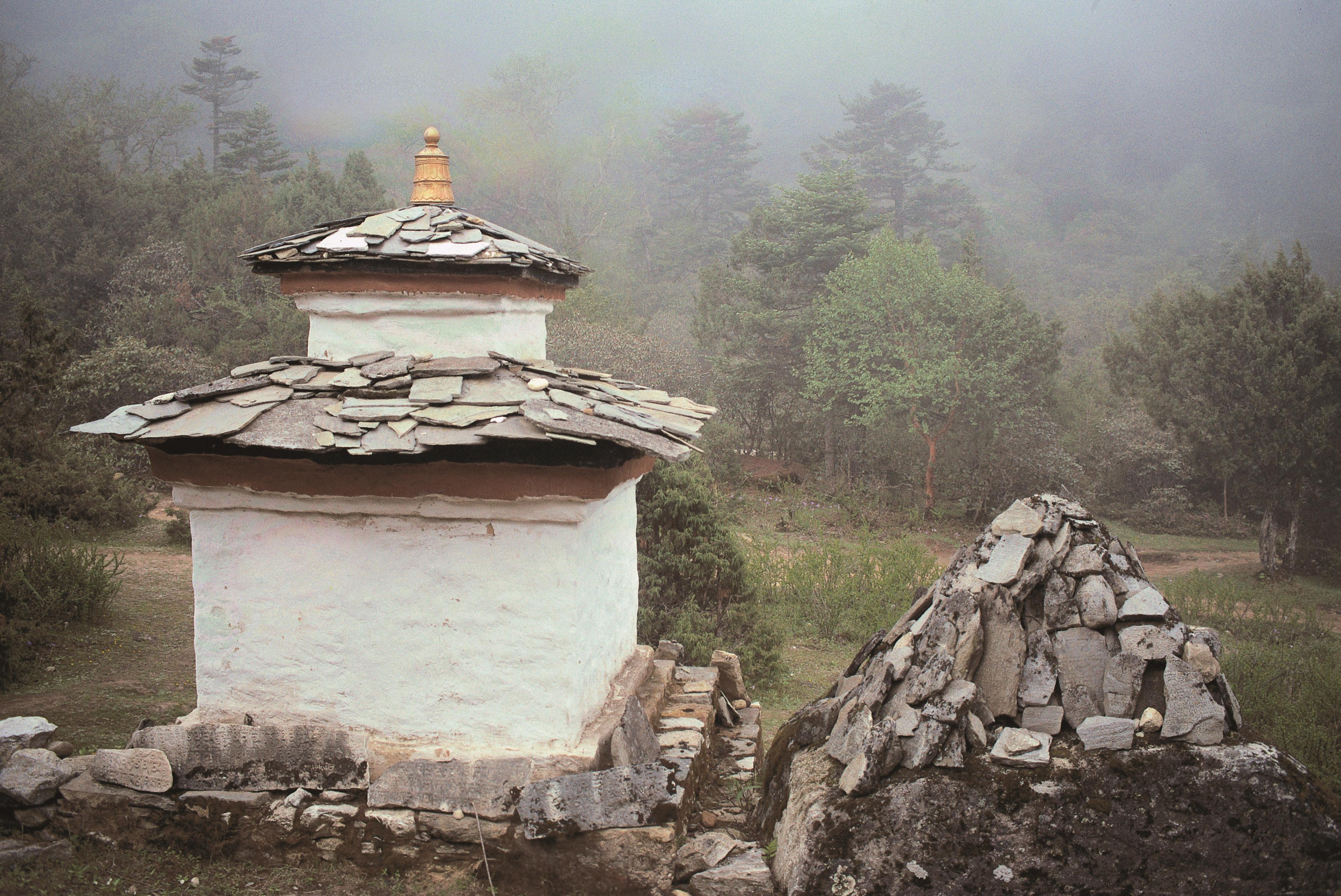
the little nunnery twenty minutes’ walk away. Devuche sits in a meadow at the edge
of the rhododendron forest in a quiet, peaceful place.
At Devuche, I arrange for the anis to say some prayers the next day. However, in the
morning, only the abbess and one elderly nun are present in the kitchen.


The abbess hands me some of the 50-rupee notes I had given her the day before. “Take
this to the blind ani who can’t come do the puja (prayers) in the gonda but can say
prayers. Take this to the ani in this house right here who is in retreat.”

I knock on the door of the ani in retreat. An elderly person wearing robes and a
traditional winged yellow hat opens the door. I ask, “Would you please say some
prayers for a friend of mine who died 49 days ago?”

She gestures for me to enter. Her small home is clean and tidy. I sit on a wide bench stretching across the end of the room while she prepares tea on the little clay-lined, one-pot burner. She asks the name of my friend who has died. “Ni-na,” she repeats as she notes it down in Tibetan script on an envelope.


“How long have you been in retreat?” I ask.
“Twenty years,” she pauses, “and thirteen years. For this time, I have not left this
little compound.


“I am from Nauche. My family did business in Tibet. When I was eight years old, I
first went to Rongbuk. There I received a blessing from Zatul Rinpoche and took my
first vows to become an ani with Tulshi Rinpoche.

“When I was twenty, I was here in Devuche and had been an ani for several years. A
rich man from Solu wanted another wife after his first passed away. He first sent one
and then two men from Solu to Nauche to ask my mother in Nauche while my father
was in Tibet trading. She sent them away.

“Then, he got several men together — about 11 of them just to come get one woman.
They surrounded my house here in Devuche. I went to bed but could not sleep. Finally,
I escaped out a window late at night and hid in the river gorge.


“They looked in the woods and all the houses. I hid by the river for two days and
on the second night wondered what to do. I had no food, no shoes, just the robe I
grabbed as I crawled out of bed.

“Finally, I worked my way along the river and up through the forest to Tengboche.
Rinpoche could not hide me there, because monastery rules do not allow women to
stay.

“A man who had just come from Tibet a year before agreed to help me. We hid in the day
and travelled at night through Thame and over the pass to Tibet. In those days it took four
days to walk across the Nangpa La (pass) to the first village in Tibet, then ten days to Shigatse and ten more to Lhasa. I stayed there for ten years until I was thirty.


“When the Chinese became really strong in Tibet, I was studying at a nunnery higher
in a valley. Rinpoche and his half-brothers were at a monastery nearby. They came
to see me. We decided it was time to return to Nepal. I came to Devuche and started
my retreat.


“For six weeks after I arrived here in Devuche, we did not know if the Dalai Lama was
alive or dead. Then finally one day I heard that he was in Kalimpong. What a relief.”
As I stand up to leave, I pull another 50-rupee note from my wallet.
“Would you also please do some prayers for the book I’m working on?”

Ani-la holds the bill thoughtfully for a moment before setting it on the windowsill
among her papers.


“People always come and ask me to say prayers for this and for that. So their son
will get into this school or that this business venture will be successful. They do not
understand that when these prayers bring about general good fortune or merit, it
comes from within, from within themselves.”

She hands me a paper and a pen.

“I want you to write down these prayers so you can say them yourself for good things
to happen. Om Ah Hung Betza Guru Padme Siti Hung is to Guru Rinpoche. The next is
Om Mani Padme Hung to Chenresig. Om Ah Mi De Wa Hri to Opagme.”

I obediently write down the mantras as she hovers above me in her winged cap.
“Say 108 of each mantra. Say them every day if you can. As you say them, always
think of going to the place of the gods, but always remember…”

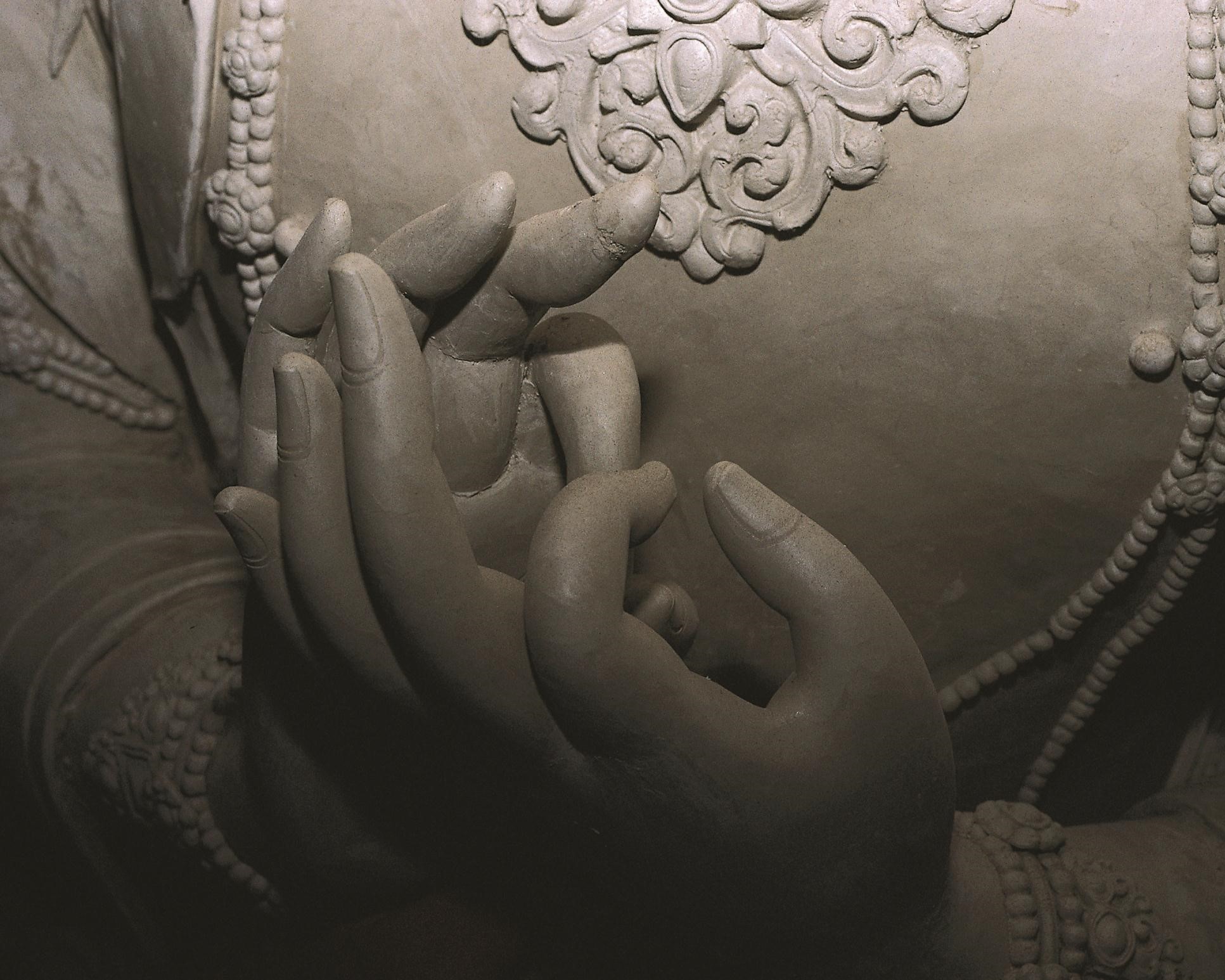
She reaches out and touches my chest. “Always remember that the gods are right
here within you.”

Fear 1: Moments of danger, times of fear

As fear engulfs the world right now I think of the moments of fear I’ve experienced in my lifetime – usually tangible fears felt or seen, unlike this almost intangible virus bringing the world to a stop. I think of people with whom I’ve shared those moments and of another being with whom I shared fear of each other.

I was just a bold twenty-something backpacking when I carelessly stepped into a very dangerous and fear provoking experience.

The mother bear and her cubs had left footprints in all the muddy patches along the trail. From the size, we knew that she was a grizzly bear – large, solitary, and as a mother, defensive of her cubs. We knew that she was in the valley bottom so when the trail went up onto the mountainside to skirt a gorge, we assumed that we had left the bears behind. Precautions fell away and I let my longer legs take me ahead of my friend.

On the trail traversing the mountainside, I stepped into a clearing in the forest. A loud grunt shattered the stillness and down the slope, I saw a large brown animal. At first, I spread my arms not sure what it was… moose, bear. Then, two little bear cubs ran off into the forest. The mother stood on her hind legs. More snorting as she dropped to all fours and ran uphill towards me. She was about 30 feet away.

It was like a switch clicking on in the back of my mind with all the precautions that I’d ever learned first from my parents, hiking partners, and more experienced friends and official warnings.

Stand still.

Those moments as she came up leaping over the fallen log her paws slashing out sideways. Her gaze pierced me. I closed my eyes to break the glower between us, not knowing what would happen. As I opened my eyes, she was sideways having turned within 2 feet of me. Off she rushed after her cubs.

I realized that we had shared a moment of intense mutual fear, that she was perhaps more afraid of me than I was of her.

My feet shook so hard they bruised from hitting the sides of my boots. My thoughts raced to the friend behind me on the trail. She soon arrived and immediately asked what happened from the look on my face.

Those moments of fear replayed through the night as I tried to sleep. By dawn I came back to the realisation of the shared fear with the mother bear. She was defending her cubs and I have had intruded have on their peaceful feeding in the forest meadow.

My intangible fear of ‘what if’ had materialised as a tangible danger of sights and sounds and presence. The fear returned as ‘what ifs’ but in the moment of most danger my inner brain had taken control of my reactions. My mind was blank, still, my inner mind knew what to do.

Grizzly mother and cubs Colleen

Grizzly mother with young cubs of the year.  Courtesy of and (c) Colleen Campbell 2001

Images courtesy of Colleen Campbell and Noel Rogers https://www.facebook.com/noelrogersphotography/

The Buddhas walking among us

Image

DSC06069

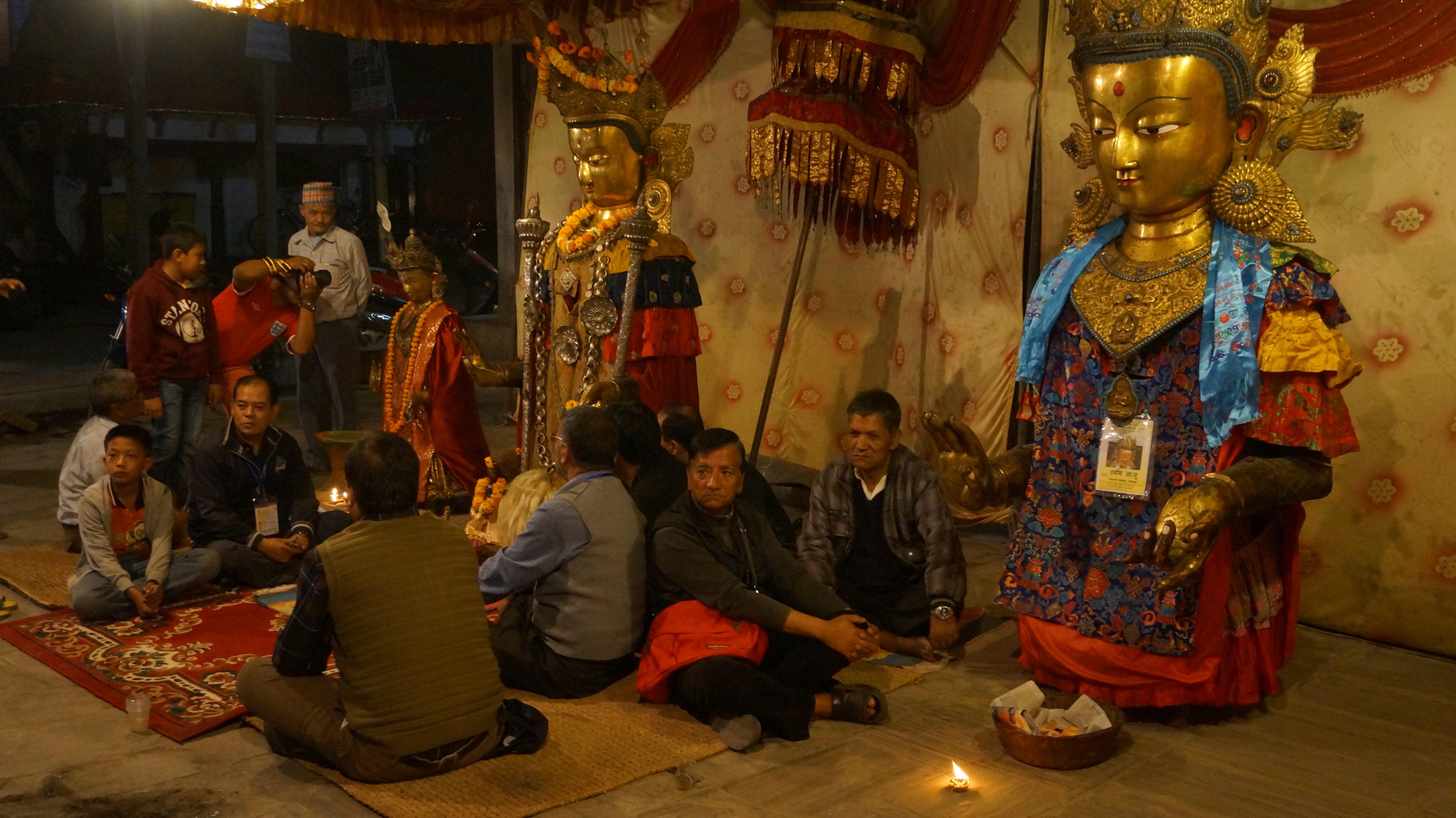
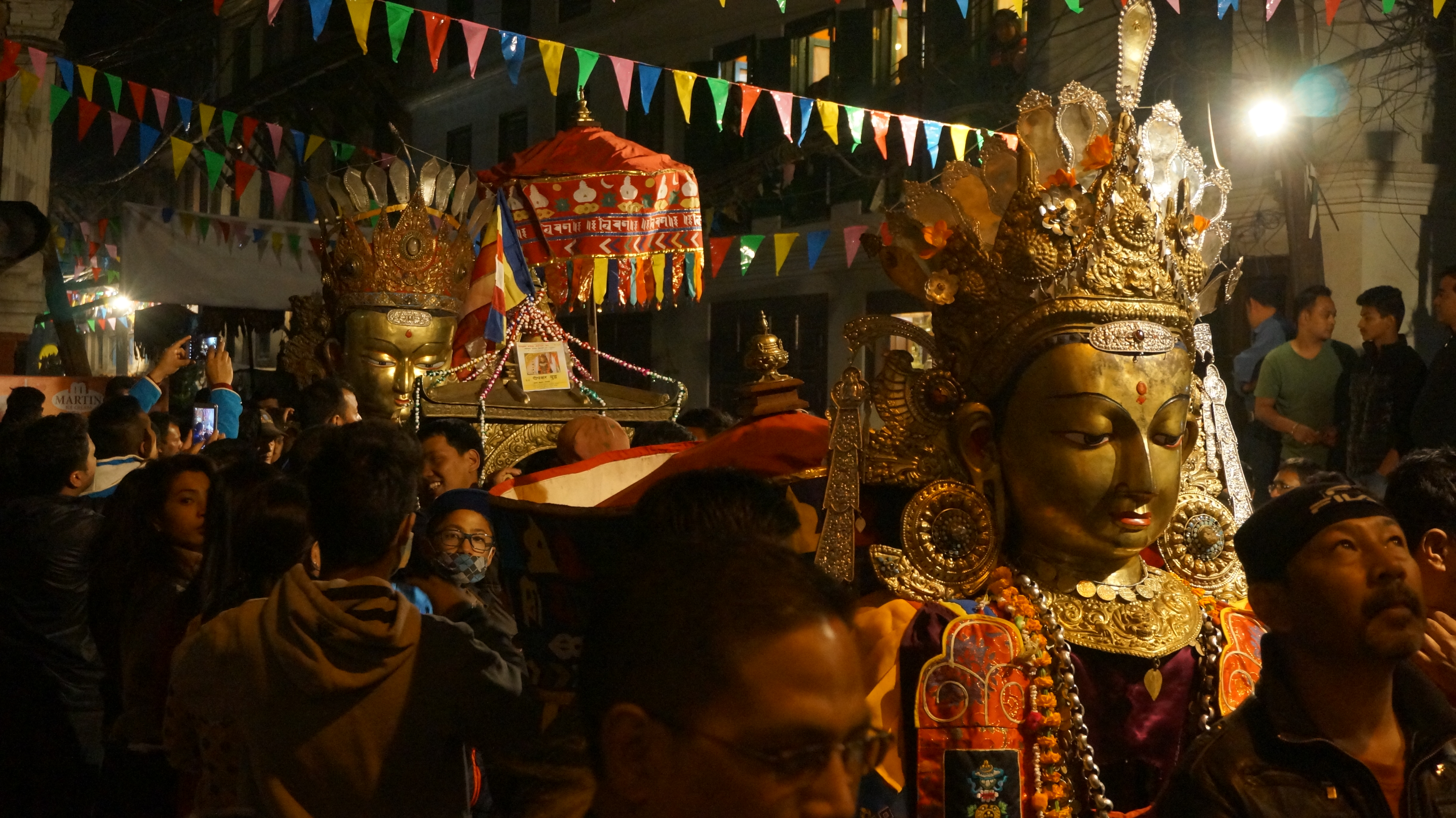
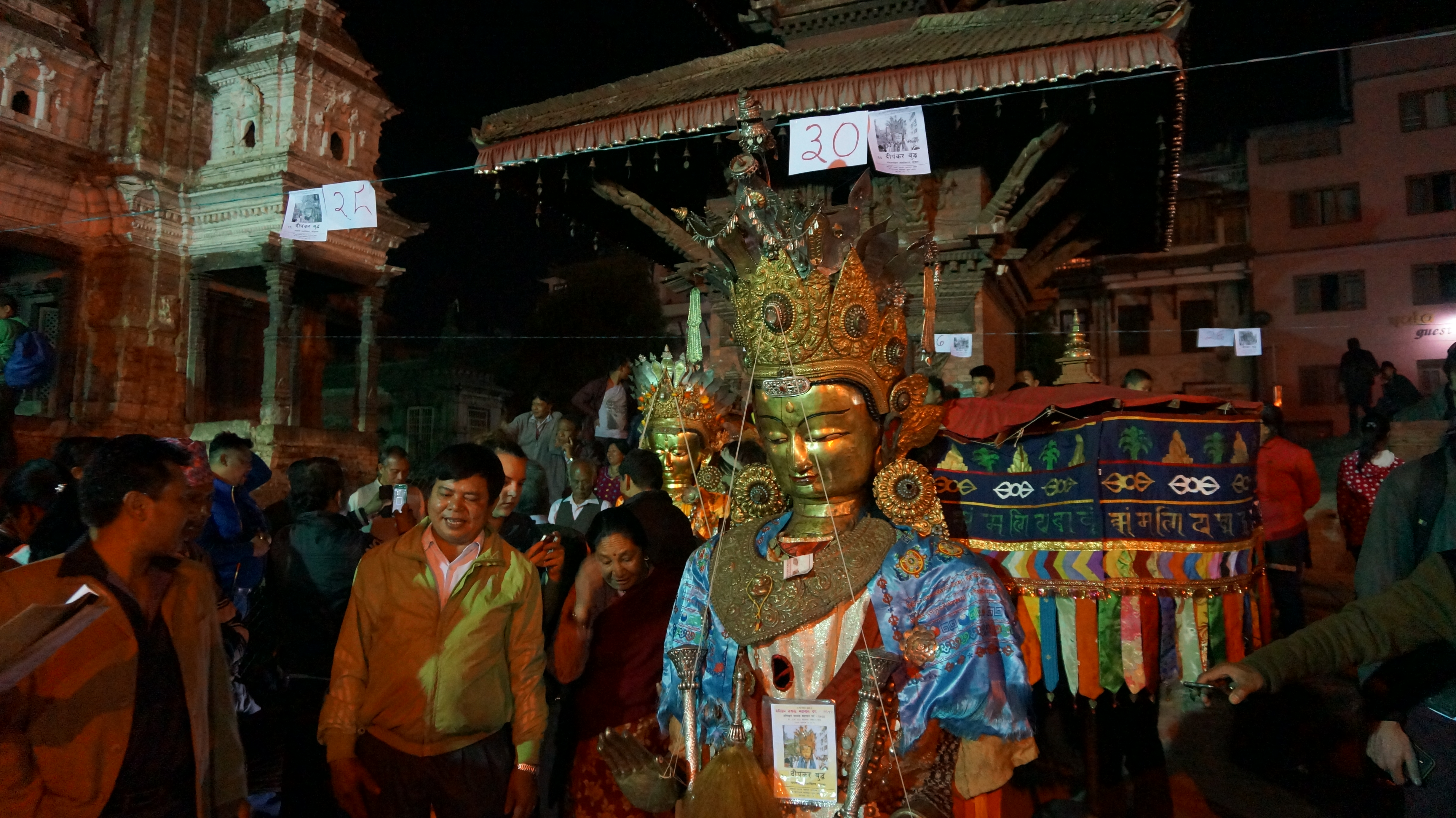
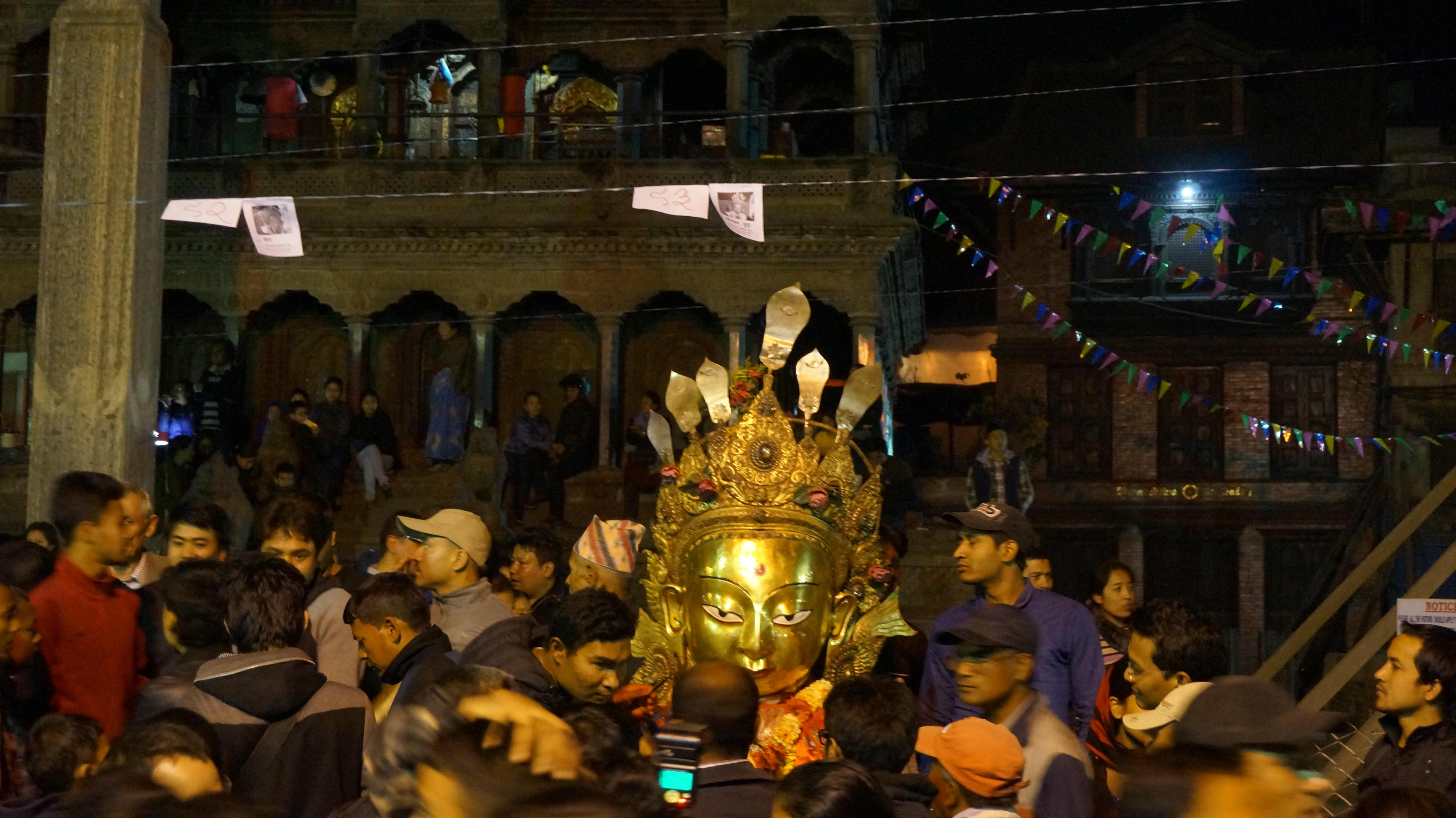
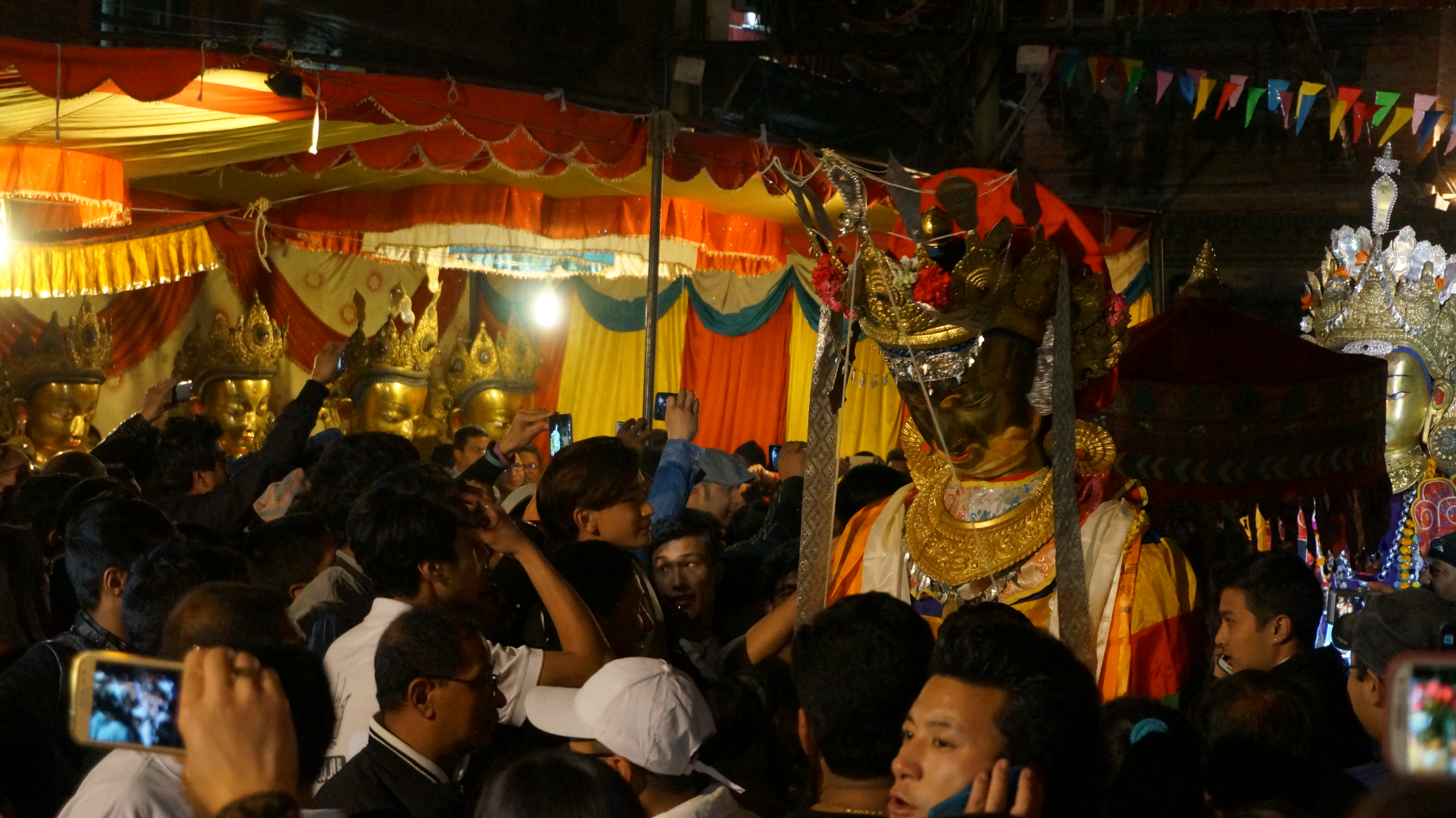
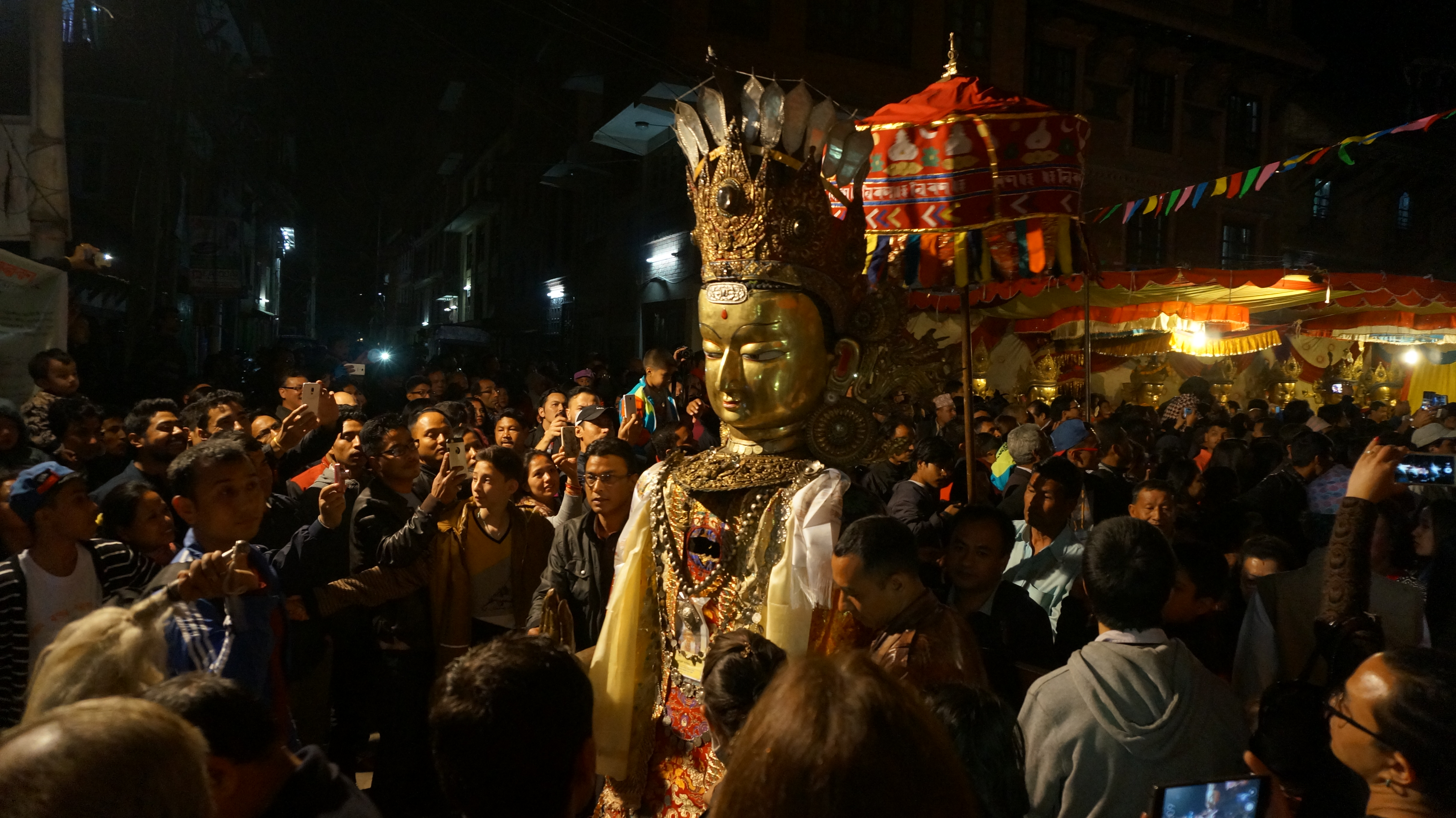
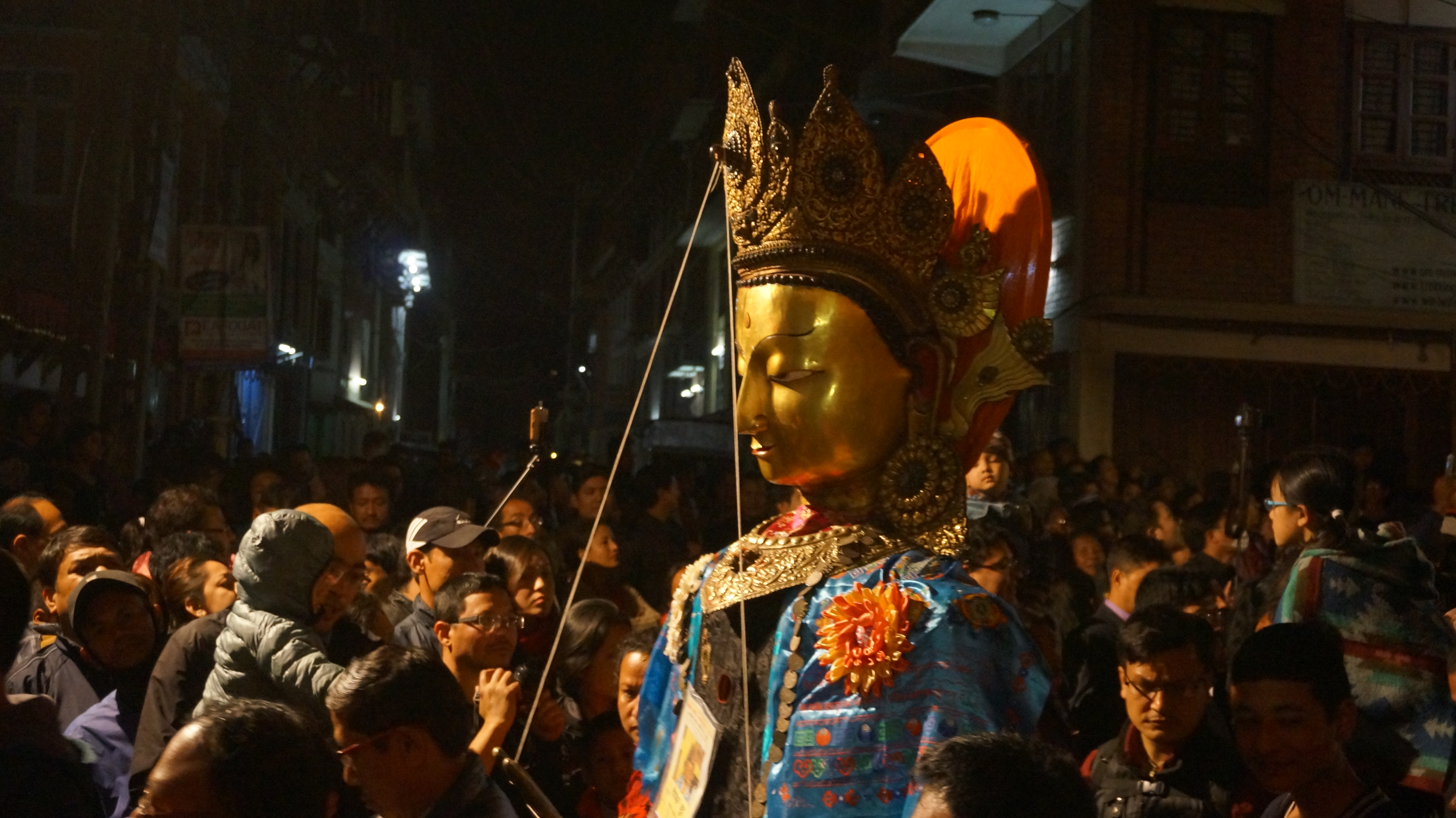
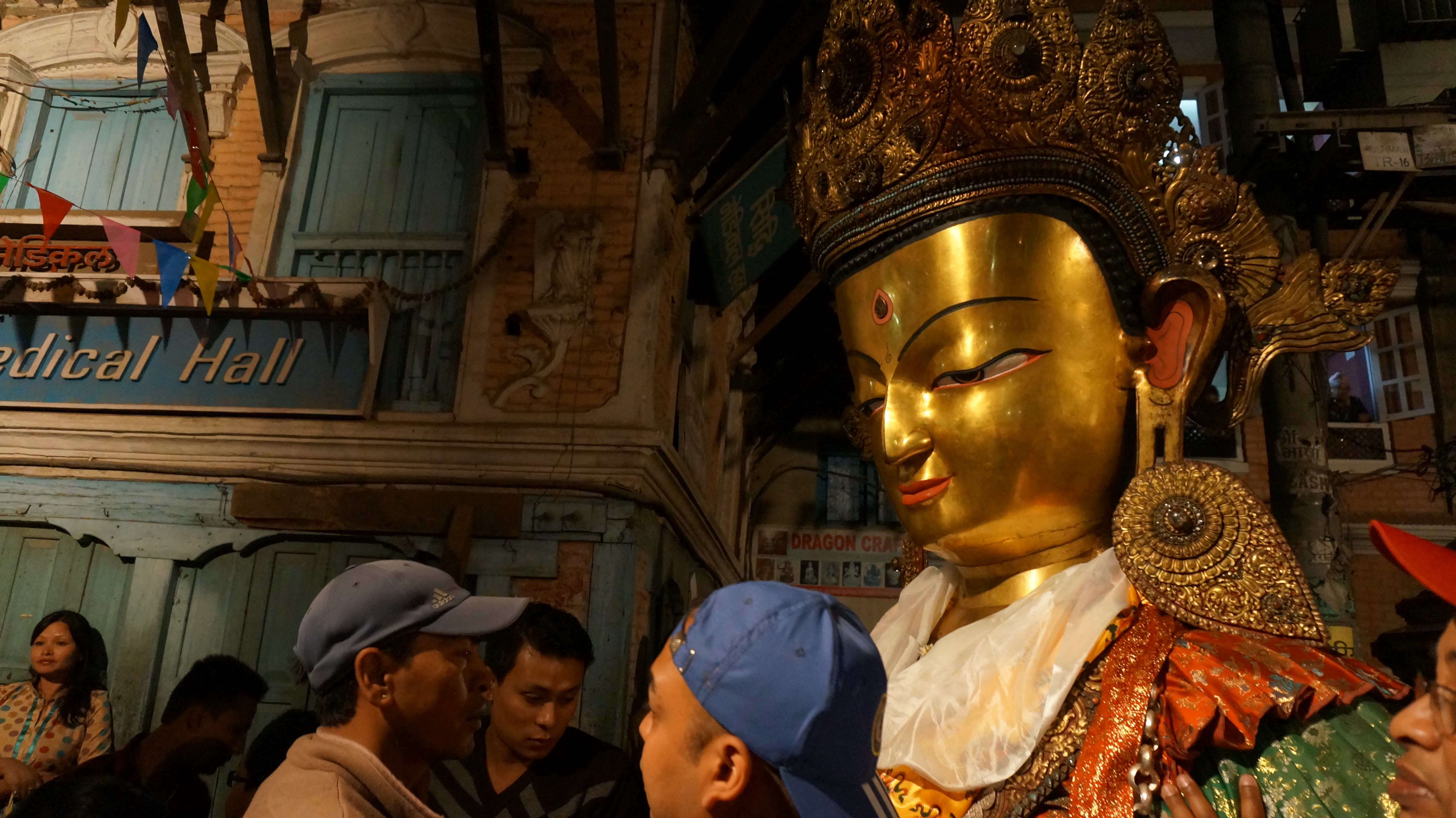
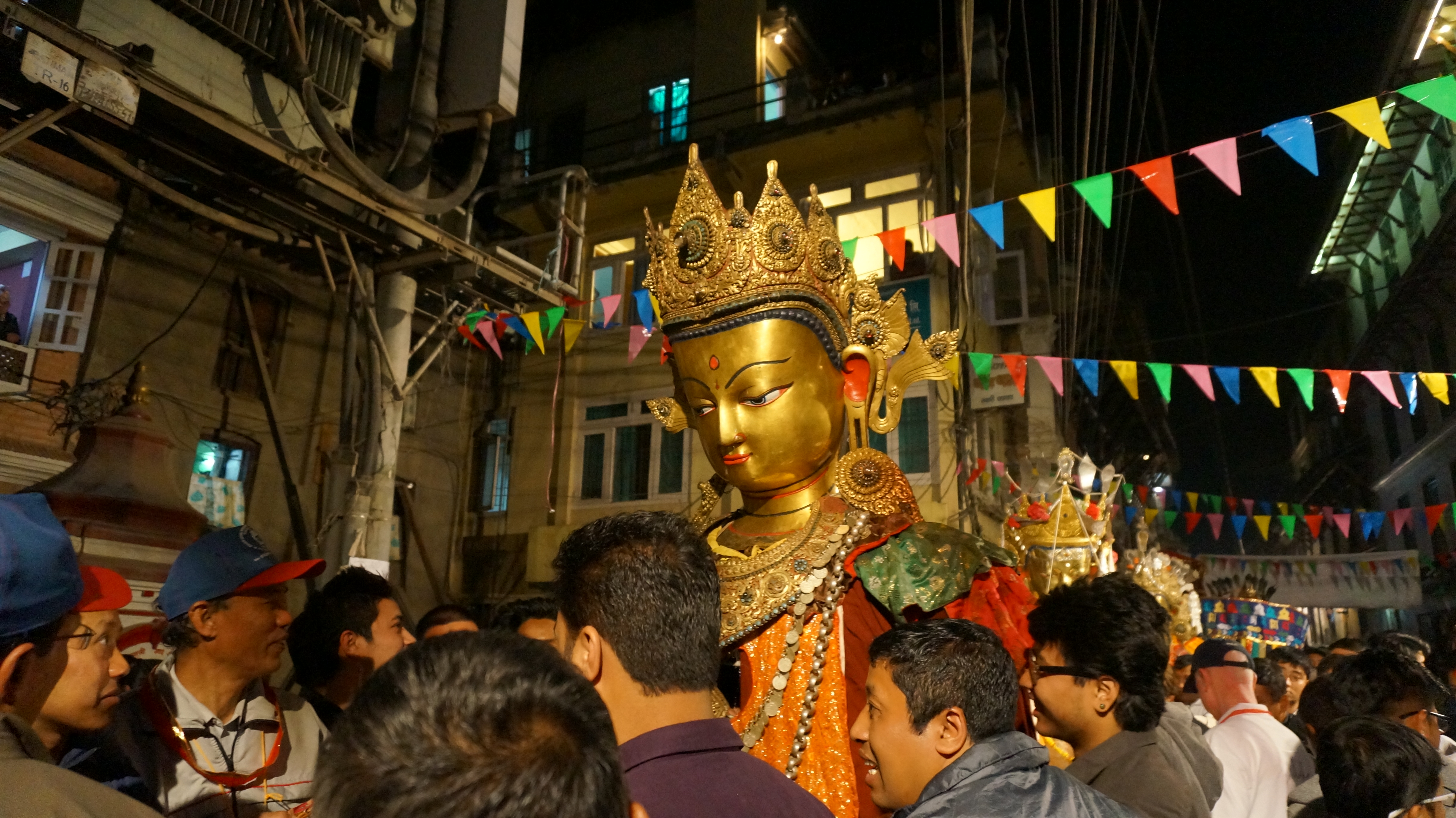
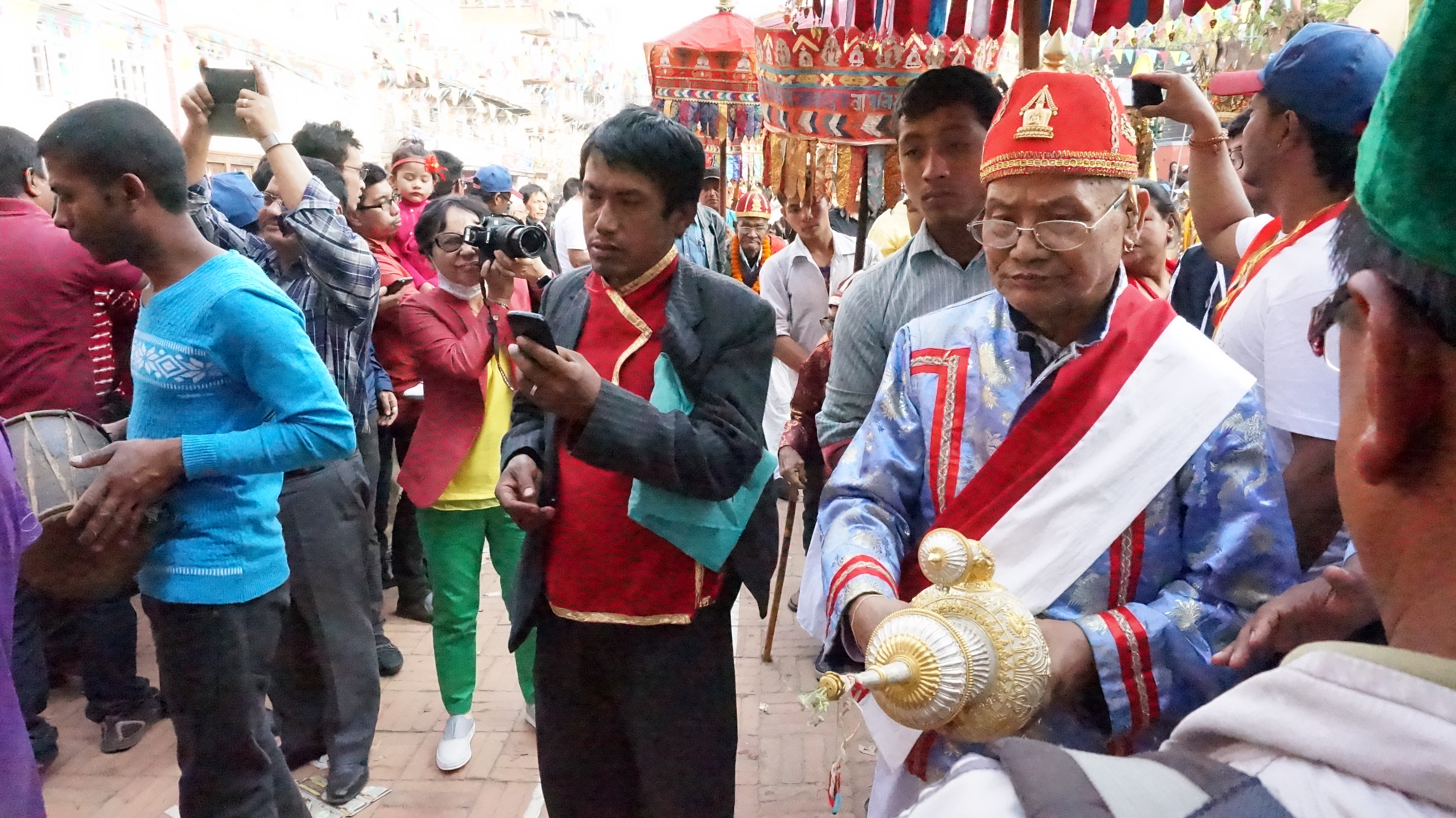
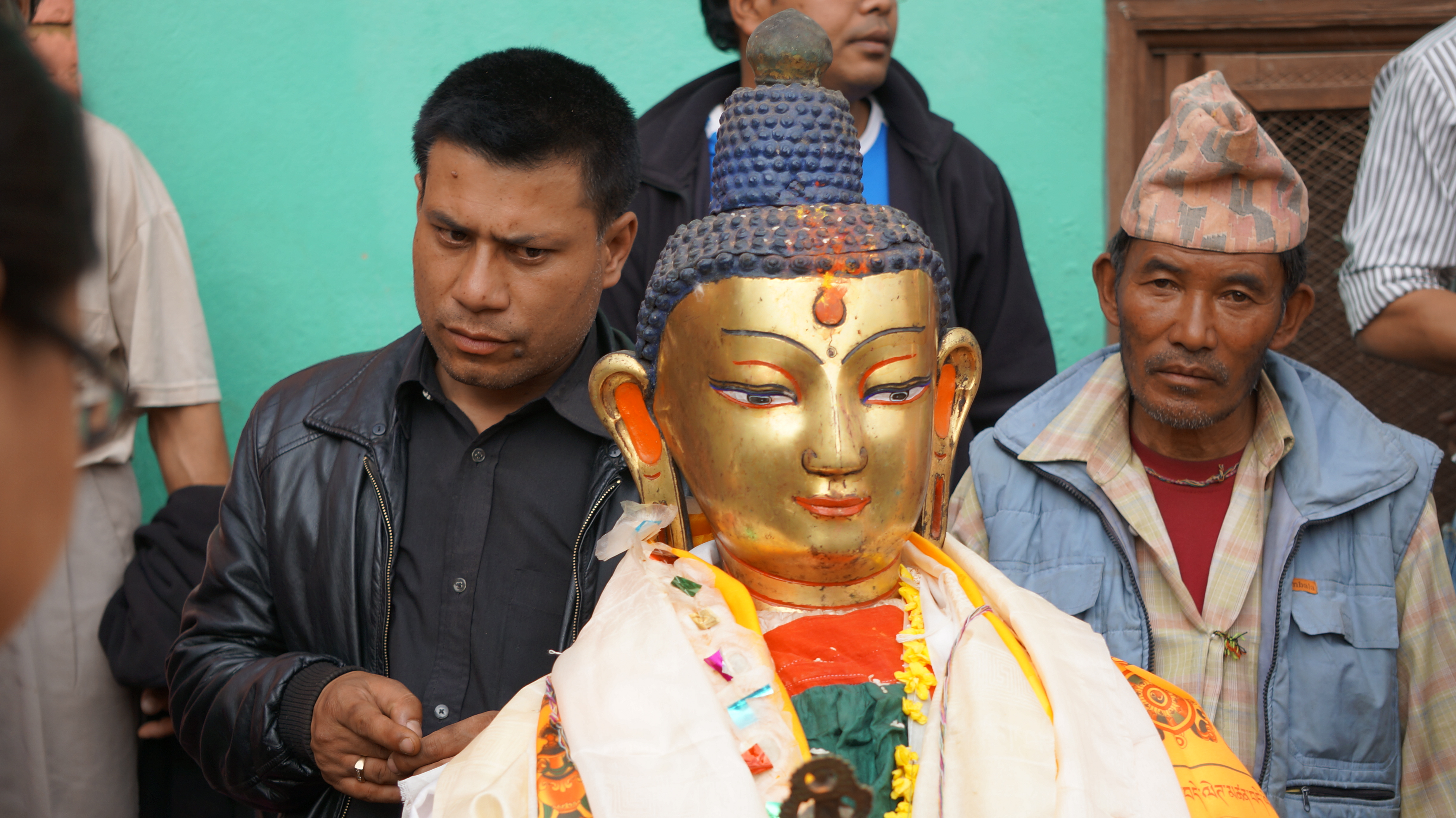
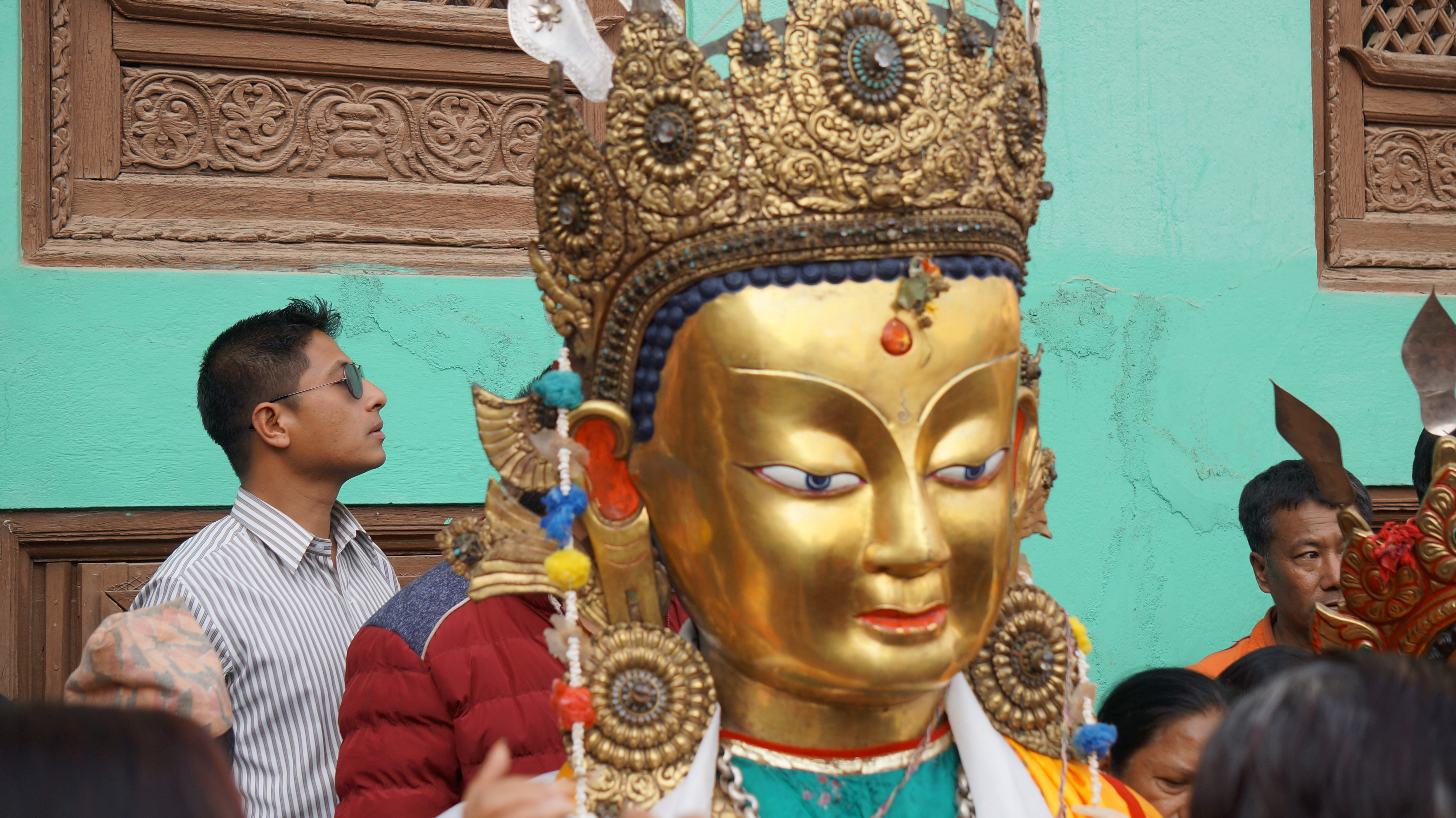
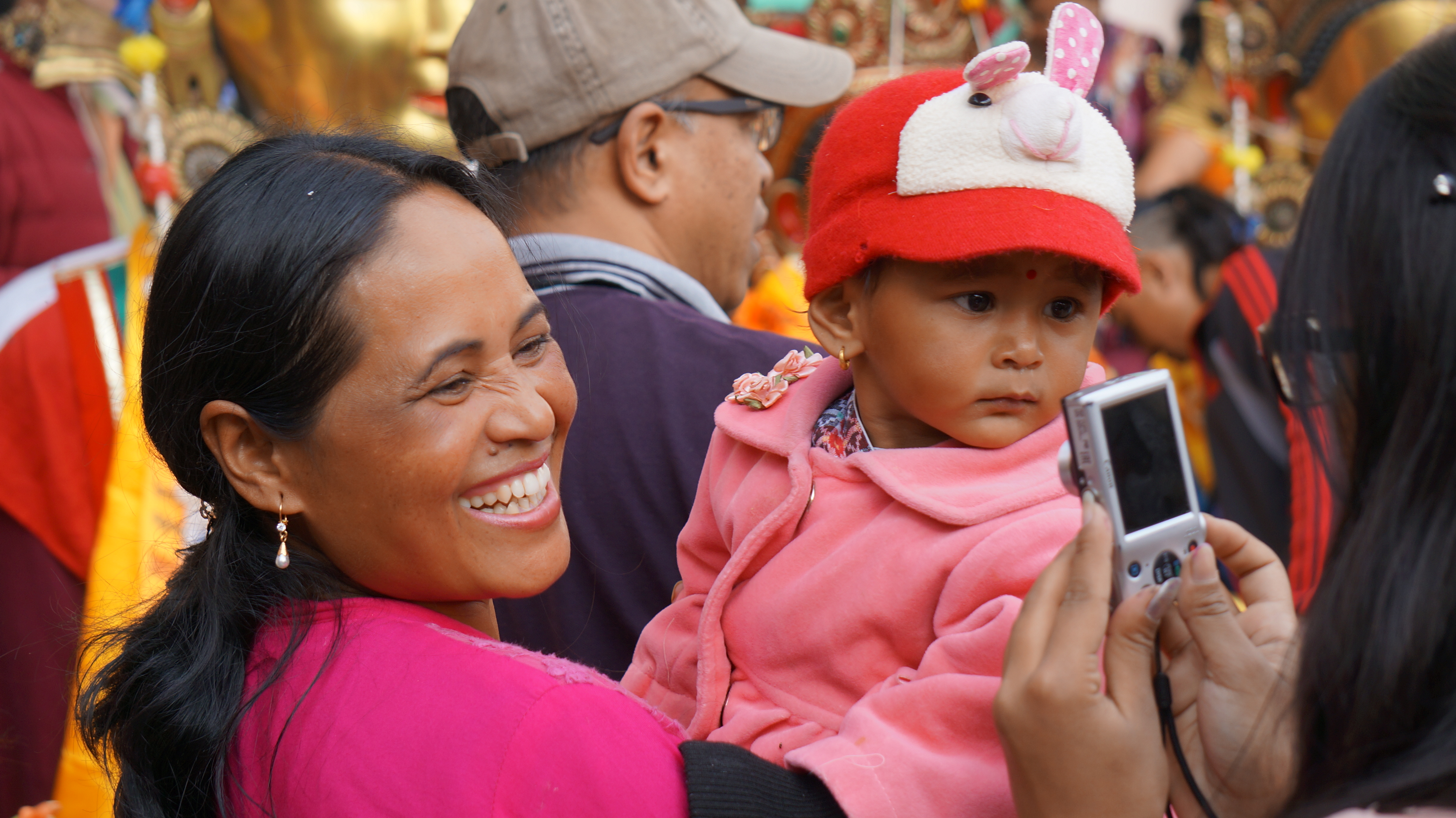
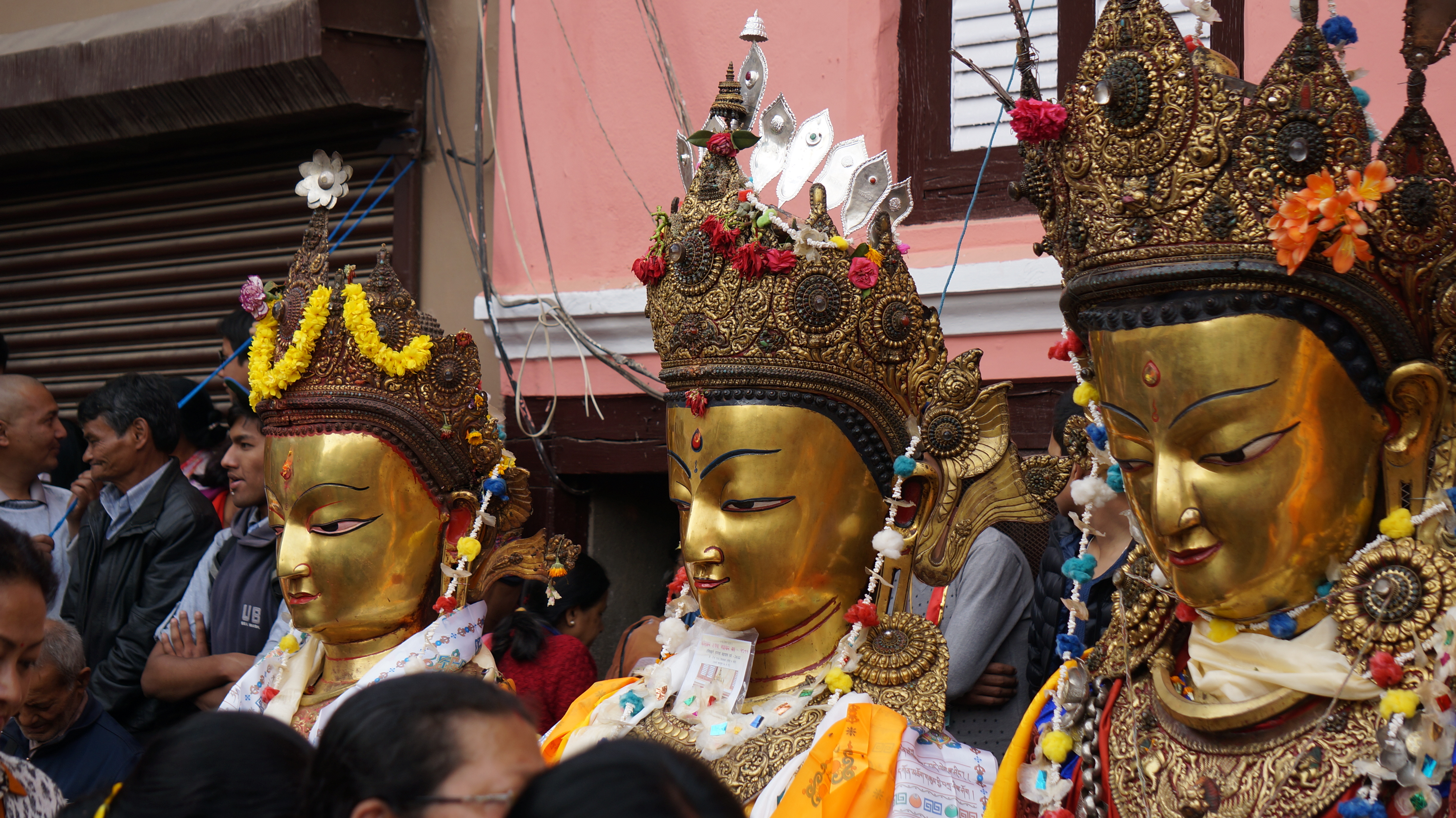
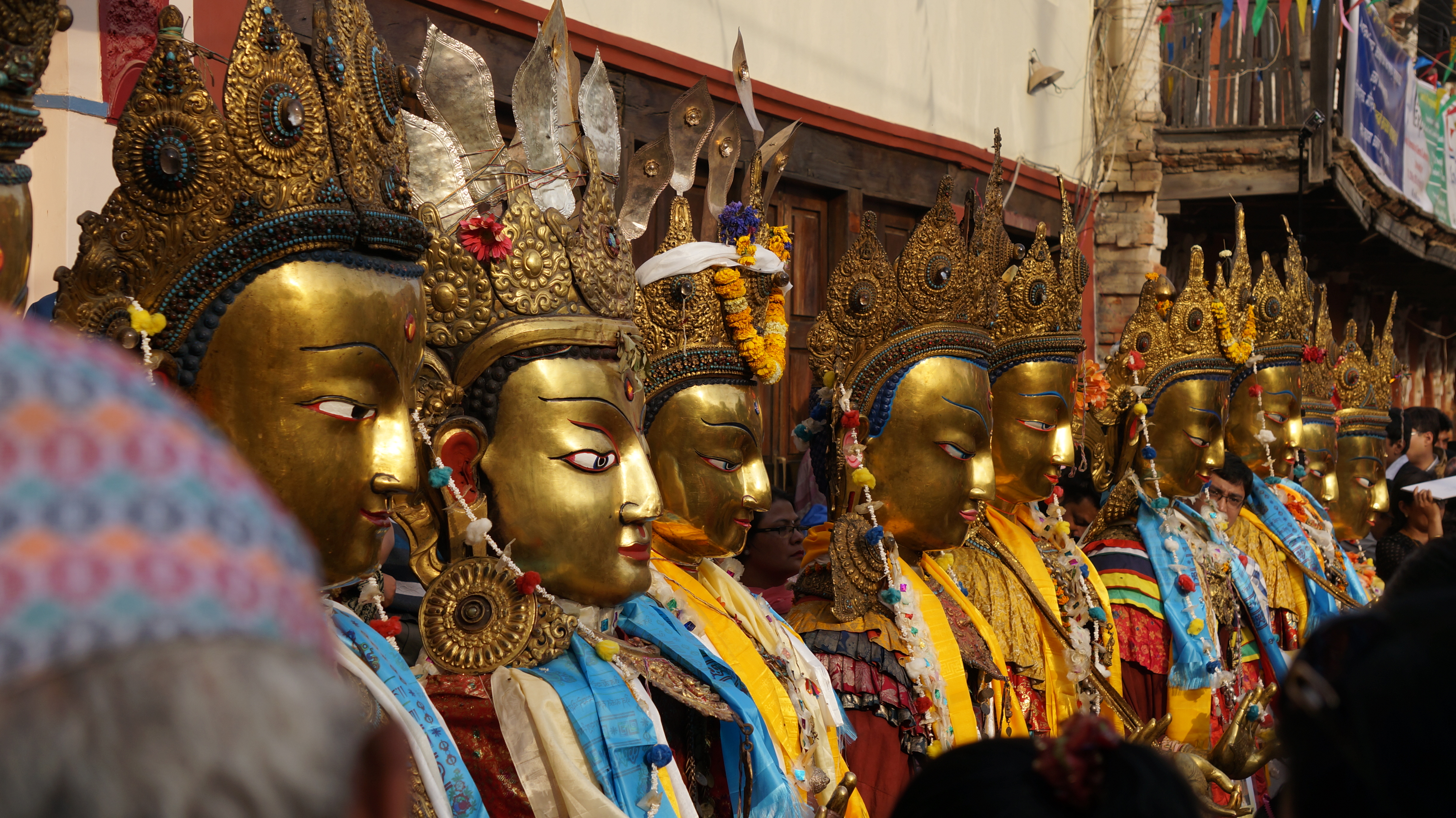
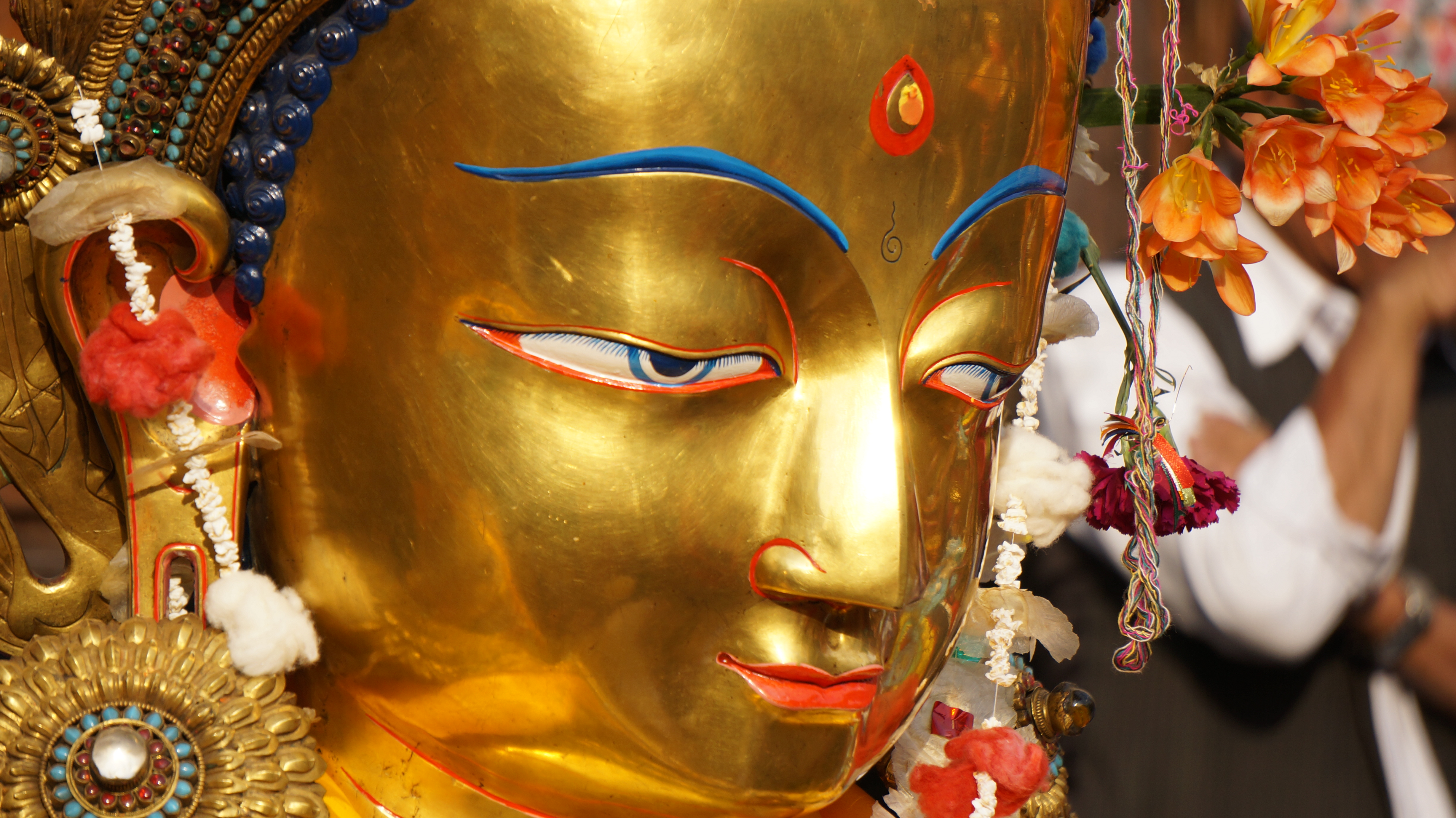
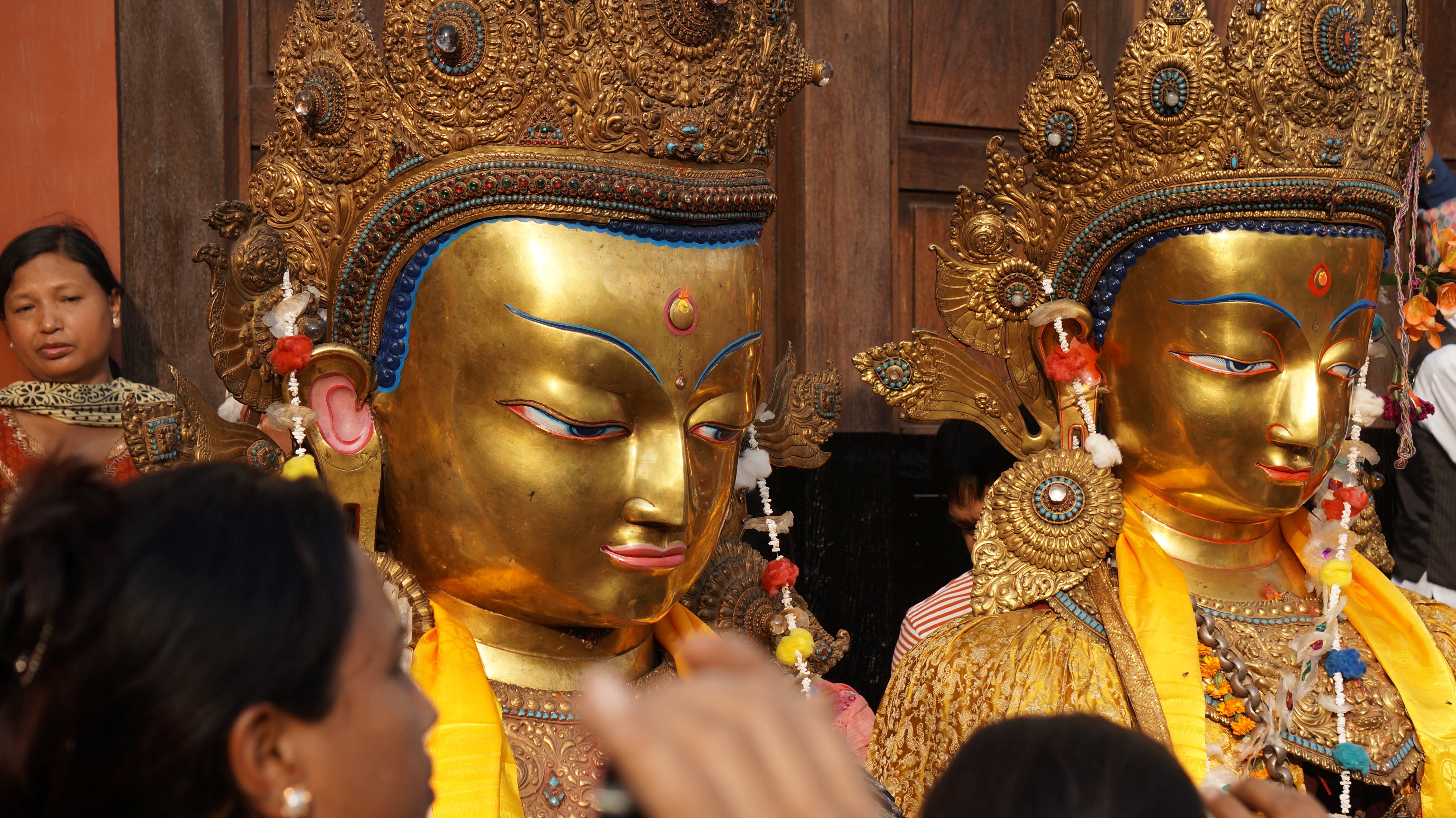
The drums beating, cymbals clashing, devotional singing, and a tall golden-faced figure arrives – a Dipankar Buddha. These ‘walking statues’ belong to groups of families, who keep the statues in their neighborhood shrines. Every five years, all the owners of the statues bring them together in a massive festival. There are usually about 100 large and small statues brought about on display.

The ‘walking statues’ are actually worn by a man inside, who has just a small hole in the statue’s garments to see. There are several people helping to guide and celebrate the procession of the statues, first into the Patan Durbar Square and then to the Nag Bahal courtyard.

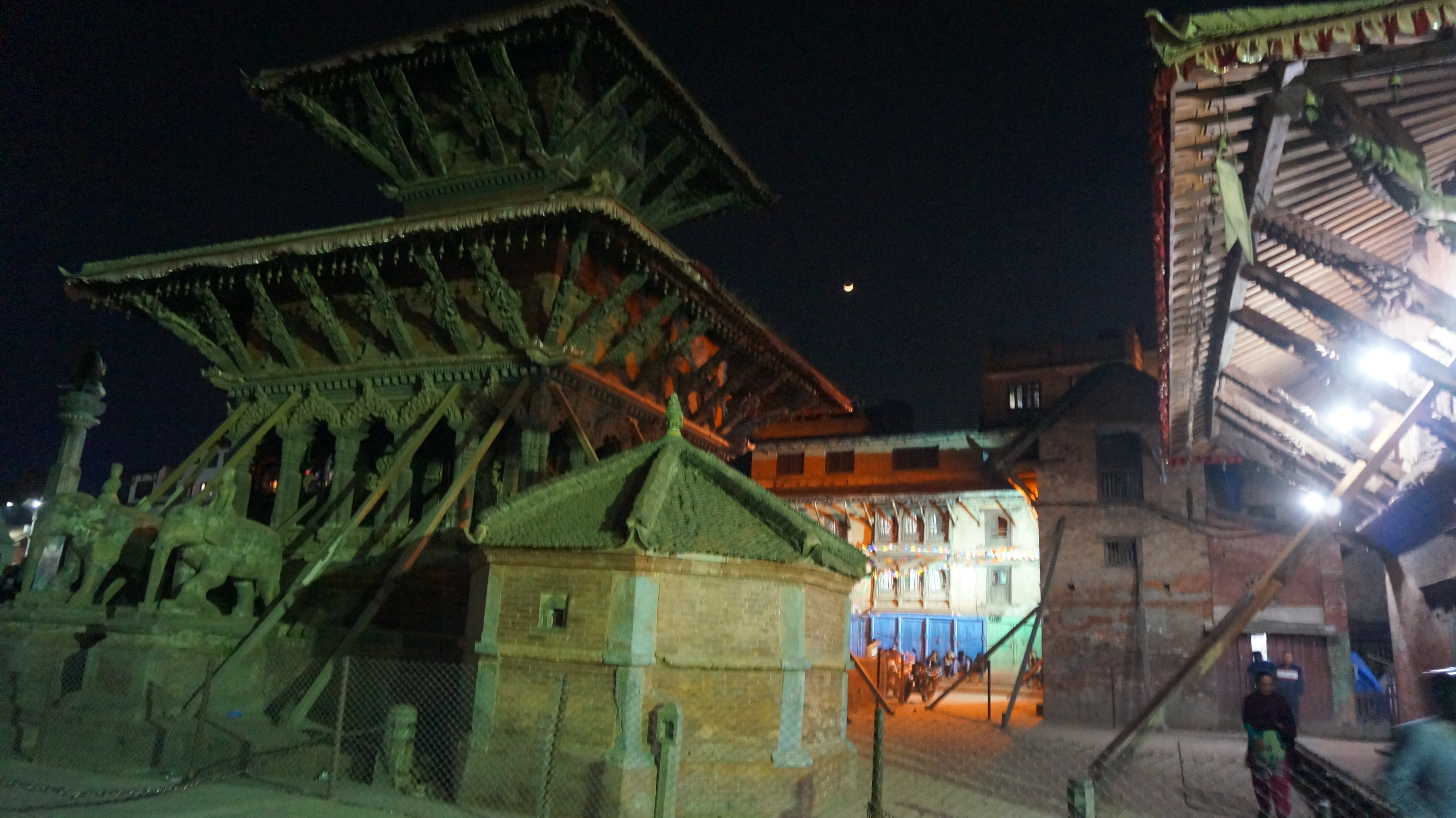
The Durbar Square was affected by the April 2015 earthquakes but while some of the temples have timbers supporting them, only one temple was destroyed. Certainly the spirit of the Patan people is intact as they celebrated the occasion.

One family with a small wooden statue, only about two feet high, said that it is perhaps 1,200 years old.

DSC06059 DSC06058 DSC06063 DSC06067 DSC06187 DSC06195 DSC06080 DSC06092 DSC06095 DSC06102 DSC06104 DSC06106 DSC06114 DSC06149 DSC06151 DSC06154 DSC06155 DSC06158 DSC06161 DSC06163 DSC06168 DSC06174 DSC06177 DSC06178 DSC06181 DSC06182 DSC06267 DSC06199 DSC06204 DSC06209 DSC06210 DSC06215 DSC06218 DSC06225 DSC06229 DSC06233 DSC06234 DSC06237 DSC06244 DSC06247 DSC06248 DSC06249 DSC06251 DSC06252 DSC06253 DSC06254 DSC06255 DSC06257 DSC06258 DSC06259 DSC06260 DSC06261 DSC06264

Experiencing another culture

Life with the Sherpas revealed different ways of seeing the world. It peeled away my preconceived notions. I have come to see that while outside cultures divide us, inner cultures, the core of all religions and beliefs, can bring us together.

Arriving at the ridge crest, each Sherpa companion murmured a prayer and placed a small stone from the path on the cairn with prayer flags. I followed suit, relieved that our trekking group had traveled this path safely.

Further along, we paused and turned out backs as wind and dust blasted across the pastures. We hid our faces in our jackets. Seeing only the ground before me, a premonition — an impact on the back of my head and a sudden sense of nothingness.

I reacted by taking two steps forward. In that instant a thick plank, blown off a nearby hut, hit the back of my ankle. Stunned, I realized that had I not moved, the plank would have struck my head.

This event was my first real experience with the Sherpa perception of place, of the power of these mountains.

Mountain scenery first attracted me to the Himalaya, but the warm, friendly people became my enduring connection. From 1983 to 1989, I had the opportunity and privilege to live and work with Sherpa people in the Khumbu Valley of east Nepal near Mount Everest, helping to create a museum of Sherpa culture at Tengboche monastery.

The Sherpas are renowned through the literature of adventure, where they have earned an international reputation for their work on mountaineering expeditions, especially on Everest. However, this reputation focuses on an occupation, rather than the Sherpas’ rich cultural heritage.

The museum described mostly what the Abbot of Tengboche calls the Sherpas’ “inner culture” and the importance of ceremonies that link their spiritual and physical lives. The preparation of the museum took time because it was essential to first know the people and the many dimensions of their culture in order to accurately and concisely depict it.

While compiling information for the museum, I often found that conversations encompassed aspects of philosophy, psychology, and spirituality. Often the subjects we discussed wandered to the questions we seek to answer with religion or science: How did the earth begin? What happens after death? What is our relationship to nature? To our symbols in the environment?

double mountain.jpg

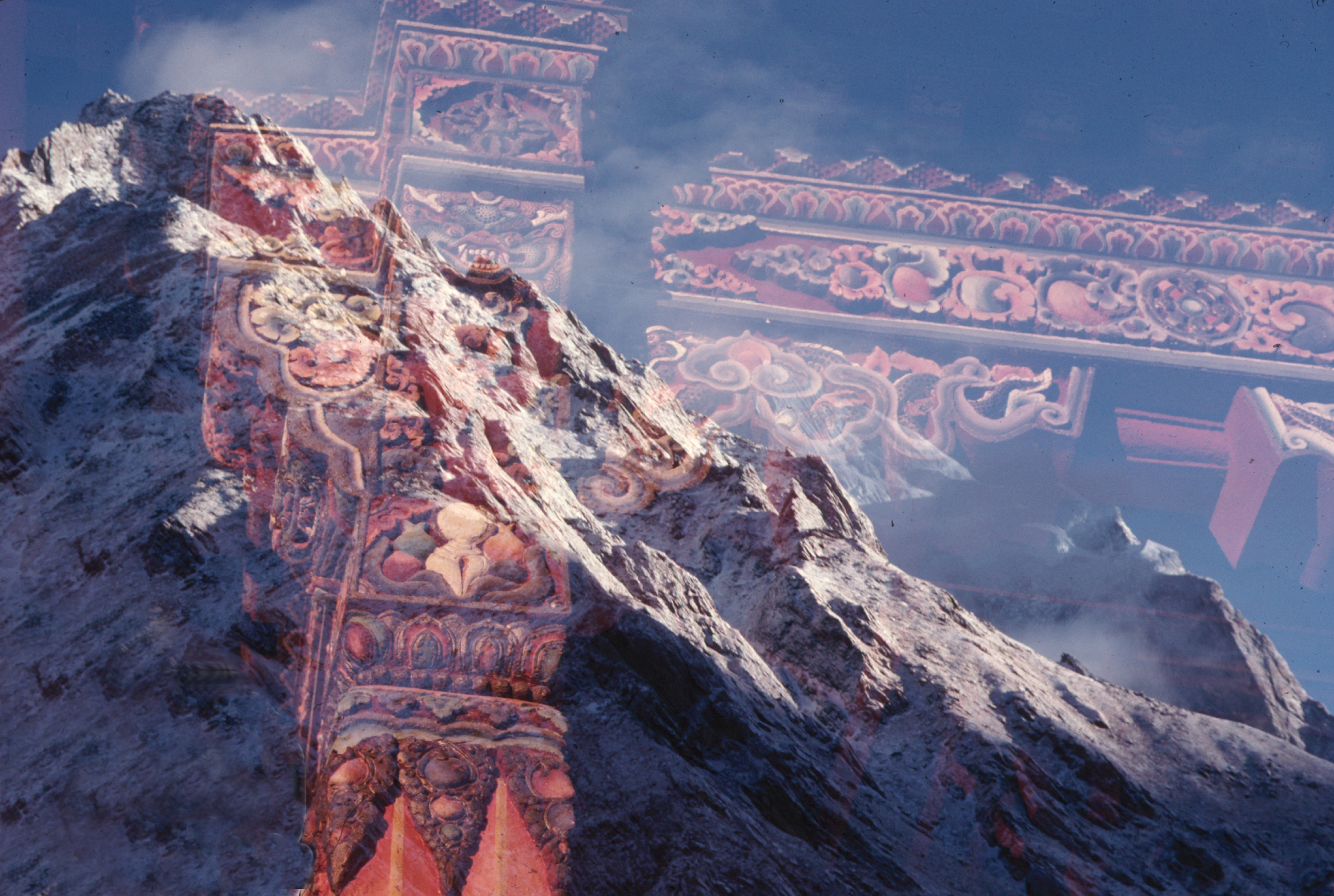
Conversations encompassed the metaphysical and the everyday.

Over the years, my questions turned from the intellectual to the intuitive. I began to experience the culture rather than question it. Life with the Sherpas revealed different ways of seeing the world. It peeled away my preconceived notions so that I began to appreciate the significance of rituals, traditions, and symbols. In the process, I was changed.

Sherpa friends introduced me to a new way of seeing the world through everyday life. Whether monk or shepherd, they know who they are and what they believe as “Sherpa people”. I saw an acceptance of mystery and of questions we just cannot answer.

Living in another culture forced me to think about how it works, to confront the ironies and inconsistencies of a different way of being. Soon, I realized that one layer of meaning reveals more queries within. The more one starts to understand, the more one realizes all there is to question and explore.

Looking at other cultures as different from our own, we split the whole into parts. We analyze what we see happening and ask why. For people of the other culture, it is their way of life.

We examine the oddity of different traditions and customs rather than the inner purposes that might bring us into an understanding of the culture. We end up looking at how the “other” culture is different from our culture rather than at our commonness in the wholeness of humankind.

While working on the museum, I started to see and question the ironies of my own culture and gained a new way of looking at myself and at my own way of life. I was moved by what I saw and experienced.

I became a believer in the value of inner culture that manifests itself in everything we do — in small actions in everyday life, in our interactions with everyone we meet, and in what we think and say.

I have come to see that while outside cultures divide us, inner cultures, the core of all religions and beliefs, can bring us together.

Pic065

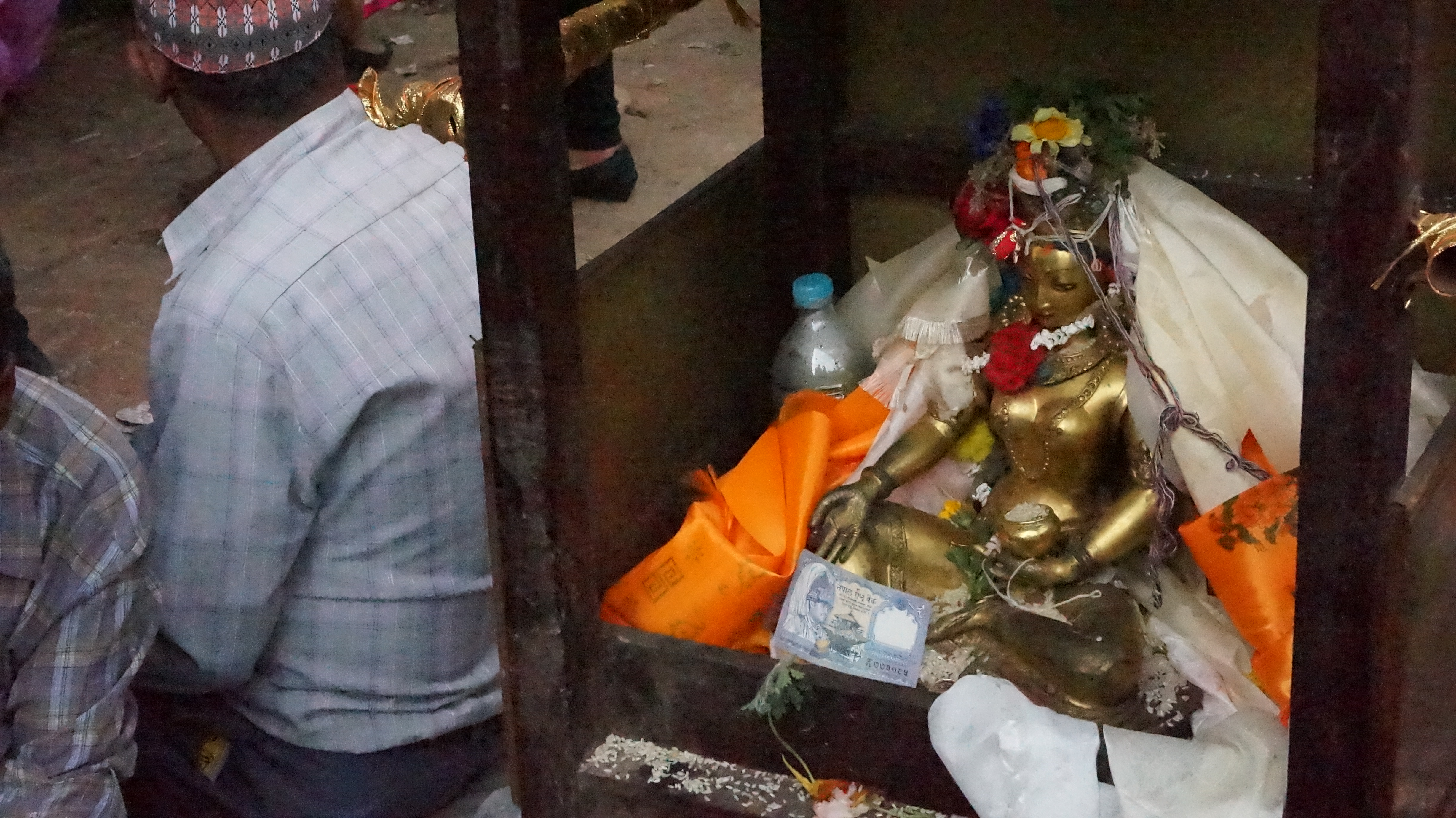
The intention of offerings is most important.